
This post may contain affiliate links. I only recommend products I use and love. Read the full disclosure here
Updated on: September 10, 2026
Originally published on: September 8, 2026
Buying custom furniture for a family home can feel like a bit of a gamble, which is why 3D furniture visualization can be so useful. You’re spending a significant amount of money on something that doesn’t actually exist yet, and a sketch and a tiny fabric swatch can only tell you so much.
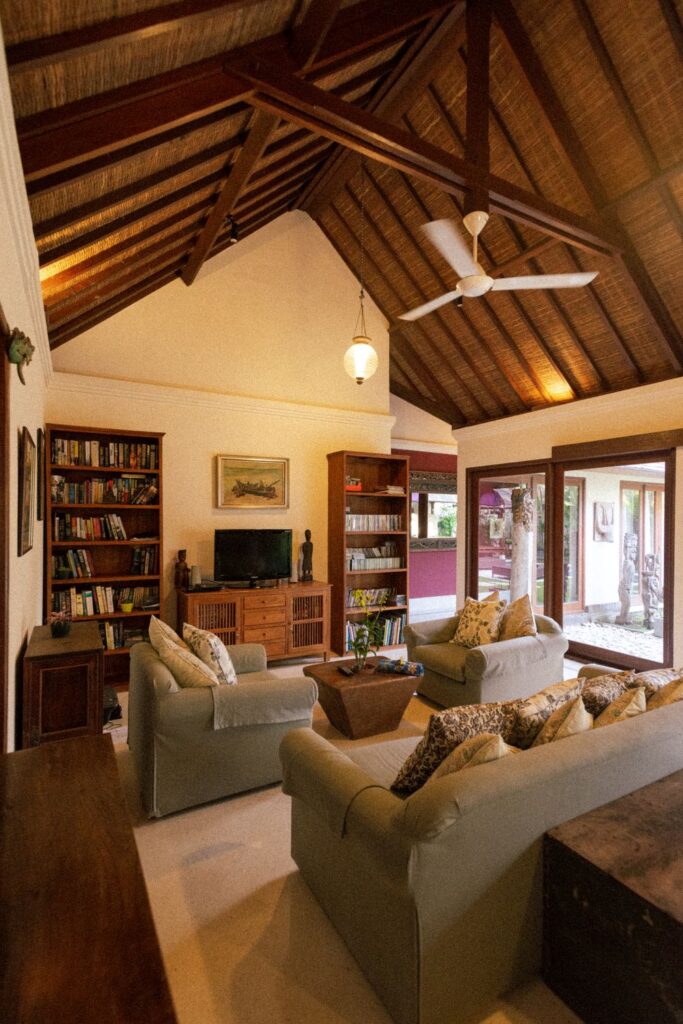
Instead of trying to picture how a custom sofa, dining table, or built-in storage wall might look, families can see a detailed digital version before materials are cut or production begins.
It gives buyers a chance to check proportions, finishes, colors, and placement before making a final decision. When a piece may cost thousands of dollars and become part of everyday family life for years, being able to see what you’re buying can take a lot of the uncertainty out of the process.
The High Stakes of Investing in Custom Family Furniture
Custom furniture carries both financial and emotional weight. A sectional may need to survive children, pets, guests, movie nights, and years of everyday use. An extending table has to work for regular dinners and still have enough room when everyone shows up for the holidays.
Working with a 3D product rendering company can give homeowners, designers, and furniture makers a shared visual of a piece before anyone commits to the finished design.
That’s a big change from the traditional process. Buyers have often had to make expensive decisions based on line drawings, wood samples, and fabric swatches.
There’s plenty of room for surprises with that approach. A wood finish can look completely different under warm evening light, while a cabinet that seems perfectly proportioned on paper can feel enormous once it’s installed.
Even experienced interior designers sometimes have to help clients make sense of drawings and plans they aren’t accustomed to reading. A realistic rendering gives everyone something much easier to understand and discuss.
Bridging the Imagination Gap With 3D Rendering
Modern 3D rendering can turn measurements and technical drawings into surprisingly realistic digital previews.
Designers or manufacturers typically start with dimensions, drawings, CAD files, finish specifications, and reference images. A 3D artist then builds the shape of the furniture, adds materials and lighting, and creates a realistic representation of the finished piece.
Those details can go well beyond basic shape and color. A rendering may show wood grain, stitching, metal reflections, fabric texture, and small construction details that would be difficult to communicate with a simple concept sketch.
Another advantage is the ability to compare different versions without building a new physical sample each time. Homeowners might look at the same dining table in several wood finishes or compare upholstery options on a sofa before choosing one.
Once created, those images can also be used for catalogs, websites, approvals, and other customer-facing materials.
Exploring Furniture From Every Angle
A single image can only show so much. Interactive 360-degree views allow buyers to rotate furniture, zoom in, and inspect it from different angles before approving the design.
That can be especially helpful for details that aren’t obvious from the front. Think rear seams, drawer clearance, cushion depth, hardware placement, leg connections, and the overall depth of a piece.
It can also uncover problems that aren’t obvious at first glance. A family may love the front of a sofa but realize after seeing the side that the arms are deeper than expected or could interfere with a nearby walkway.
For furniture makers, catching those issues before production is much easier than dealing with them after the piece has been built.
Interactive views can also give online shoppers more information than they’d get from a standard gallery of product photos.
Seeing Furniture in an Actual Room
Furniture doesn’t live against a blank white background, and context can completely change how a piece looks.
A chair that seems compact in a studio photo may overwhelm a small reading corner. A wood finish that looks perfect on its own may clash with the flooring already in the room.
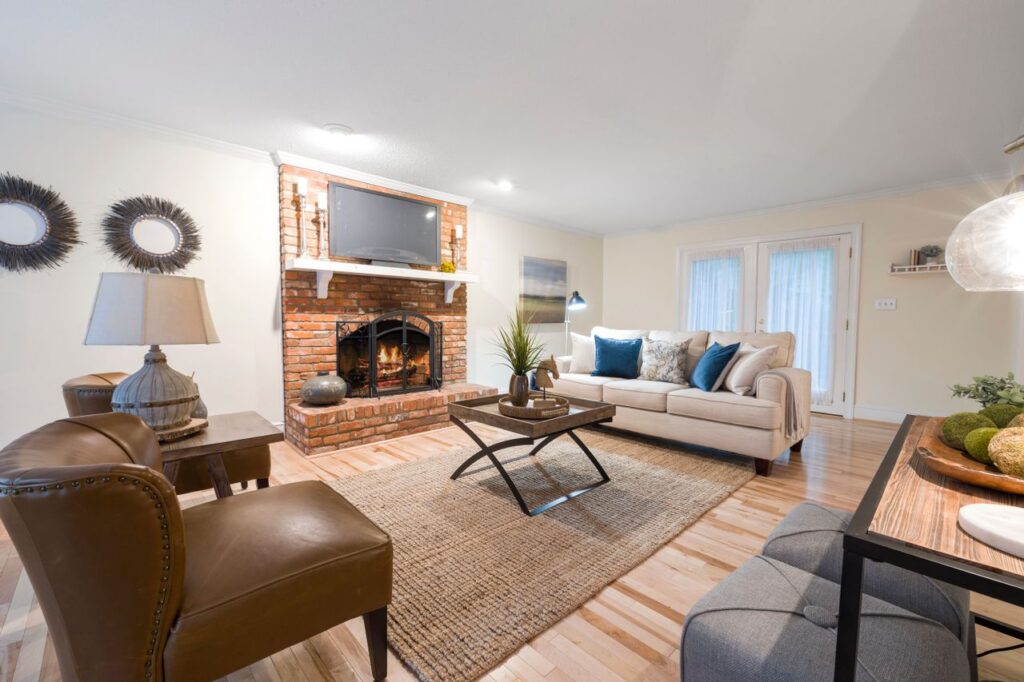
Digital room renderings help solve that problem by placing the proposed furniture into a realistic space with the correct dimensions, flooring, wall colors, windows, and existing decor.
The room can even be shown under different lighting conditions. Seeing the same piece in daylight and warm evening light can make color and finish decisions much easier.
Designers can also include nearby furniture, books, toys, or other everyday items to create a better sense of how the room will actually look and function.
The basic idea is simple: see whether the furniture really belongs in the room before it arrives.
Practical Benefits for Busy Homeowners and Designers
The real benefit isn’t simply getting prettier pictures.
Clear visuals can cut down on long email chains about measurements, colors, finishes, and design changes. Instead of three people picturing three slightly different things, the homeowner, designer, and furniture maker can all look at the same version.
That makes feedback much more specific. Terms such as warm oak, low profile, or deep seating are easier to understand when everyone can actually see what they mean in that particular design.
It can also reduce the number of revisions needed before a piece is approved because expectations are clearer from the beginning.
And the renderings don’t necessarily stop being useful once the furniture goes into production. The same images may later be used on websites, online stores, marketing materials, or in product videos.
Key Advantages of Seeing Furniture Before You Buy
Most families probably don’t care much about the technology working behind the scenes. What matters is whether it helps them avoid an expensive mistake.
A good visualization can make it easier to judge custom dimensions, fabric texture, finishes, and colors under realistic lighting. It may also reveal potential problems before production begins, when changes are usually much easier to make.
There are several practical advantages:
- Less guesswork about dimensions, colors, textures, and finishes.
- A lower risk of discovering that the finished piece doesn’t match expectations.
- An easier way for family members to agree on a design because everyone sees the same thing.
- More confidence when ordering custom furniture online or through a showroom.
- An easier way to compare upholstery, wood finishes, hardware, legs, and storage configurations.
Shoppers appear to see value in this kind of technology, too. Google found that 84% of college students it surveyed said being able to see furniture through augmented reality before buying would be very or somewhat helpful.
The Future of Custom Furniture Shopping
The next step is making the process even more interactive.
Instead of requesting a completely new image every time someone wants to see a different option, configurators can allow customers to switch fabrics, woods, handles, finishes, or furniture modules themselves.
Augmented reality takes that a step further by allowing shoppers to place a virtual piece of furniture inside their own room using a phone or tablet. Research into AR shopping has specifically examined its ability to help shoppers evaluate furniture and other products within their real-world surroundings before purchasing.
For online furniture brands, that can give customers more information before they ever speak with a salesperson. Instead of asking someone to describe whether a particular sofa will work in the room, shoppers can begin exploring those questions themselves.
The same 3D assets can often be used for interactive tools as well as high-quality product images, helping keep the furniture’s appearance consistent across different channels.
As these tools become easier to use, customizing furniture may start to feel less like a specialized design process and more like an ordinary part of shopping for a home.
Making Custom Furniture Easier to Picture
Custom furniture will always involve some judgment. No digital preview can decide whether a family will still love a particular green velvet sofa five years from now.
What 3D rendering can do is give buyers much better information before they commit. It can show scale, finish, texture, placement, and lighting in enough detail to uncover potential problems while they’re still relatively easy to fix.
That can help families avoid costly aesthetic mistakes while giving designers and furniture makers a much clearer idea of what has actually been approved.
It also means manufacturers don’t necessarily have to build a physical prototype of every possible variation just to show customers their options.
As more custom ordering moves online, being able to see a realistic version of a piece before it exists may become less of an extra feature and more of something buyers simply expect.