
This post may contain affiliate links. I only recommend products I use and love. Read the full disclosure here
Updated on: August 17, 2026
Originally published on: August 17, 2026
Nearly every home has that one room where sunlight just doesn’t reach, whether it’s a hallway, a north-facing bedroom, or maybe a corner shoved away from any windows. Choosing the right houseplants for low light can bring some greenery into these dim spaces, but it helps to understand what “low light” actually means before picking a plant.
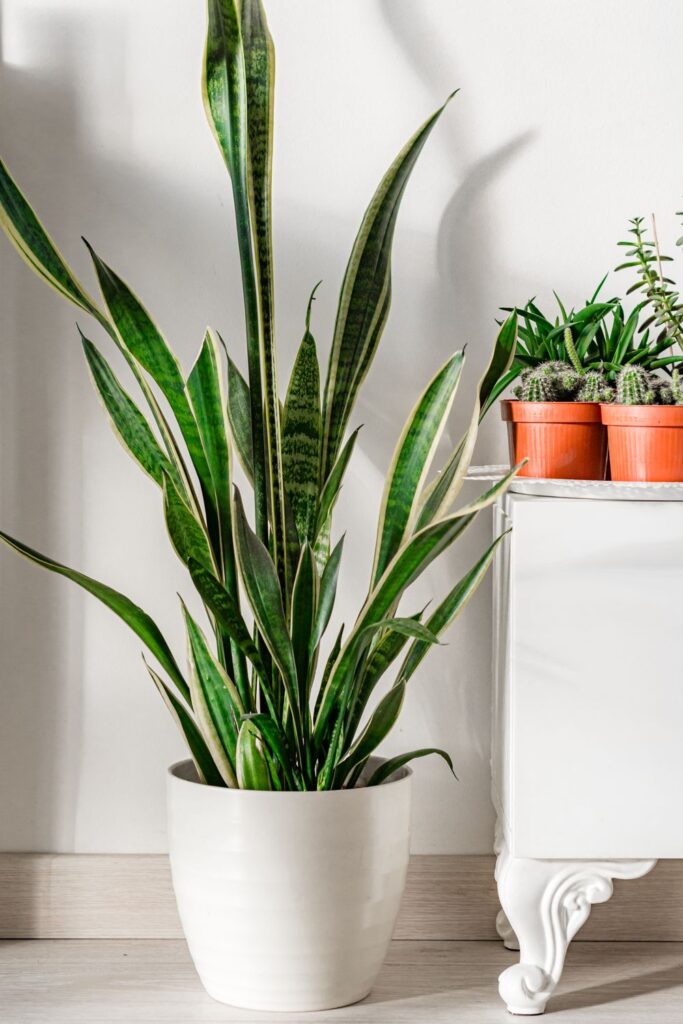
Below, we’ll walk through how to read your room’s light, pick plants suited to it, adjust your watering habits, and sidestep the mistakes that trip up most beginners.
What “Low Light” Actually Means Indoors
Low light describes indirect, filtered, or otherwise limited daylight. It’s not the same as no light at all. It’s also worth distinguishing from bright indirect light, which offers plenty of usable brightness even without direct sun hitting the leaves.
Typical low-light areas include north-facing rooms, spots tucked away from windows, hallways, and bathrooms with small or frosted windows. A room with essentially zero natural light will likely need a grow light if you want anything to survive there long-term.
How to Assess the Light in Your Home
Before picking out any low-light indoor plants, spend some time actually observing your room. A quick shadow test can tell you a lot: hold your hand a foot or two above a surface sometime during the day. If the shadow is crisp and well-defined, you’re dealing with brighter conditions; a faint, blurry shadow signals low light.
As a general rule, east- and west-facing rooms tend to get more usable light than spaces buried deeper in the interior. Keep in mind, too, that light shifts with the seasons and even with how furniture is arranged, so it’s worth checking again every so often. And if you find yourself flipping on a lamp just to see clearly during the day, chances are most plants will need extra light as well.
What Kinds of Plants Are Most Likely to Succeed
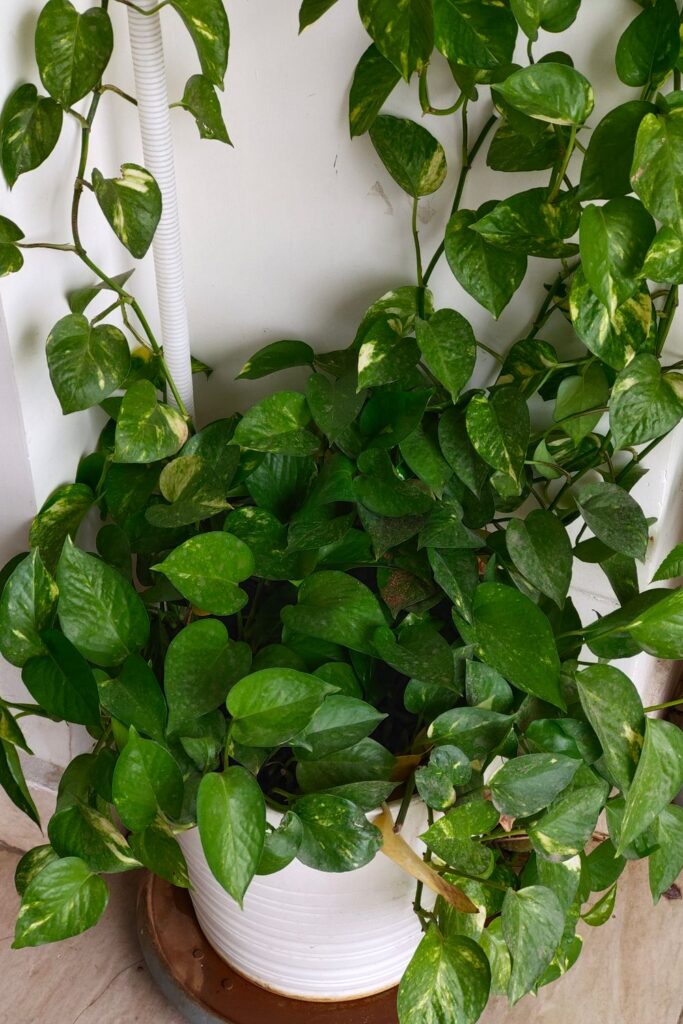
Aim for plants known to handle lower light and slower growth, rather than varieties that need bright sun to thrive. Snake plants, pothos, ZZ plants, peace lilies, and a handful of ferns come up often in these conversations because they tend to adjust reasonably well to dimmer conditions.
That said, being “tolerant of low light” isn’t the same as thriving in near-darkness, so it still pays to match the plant to what your space actually offers.
And if you’ve got pets wandering around, double-check toxicity first since quite a few popular low-light plants aren’t safe for animals. Make sure you are choosing one of the pet-friendly plants.
Matching the Plant to the Room, Not Just the Label
A plant that flourishes in one dim room might sulk in another just down the hall. Humidity, temperature stability, and airflow all play a role in how well a plant settles in. Bathrooms, for instance, often suit plants that appreciate extra moisture in the air, while offices might call for something tougher and lower-maintenance. Match the plant to the room, not just the label. Even a small amount of nearby natural light can make a real difference in how a plant performs.
Care Basics That Matter More in Low Light
Watering trips up more people than anything else when it comes to dim spaces. Soil simply dries out more slowly with less light reaching it, so instead of sticking to a rigid schedule, check the top inch or two of soil before watering.
Growth slows down too, which means plants need less fertilizer than they might in brighter spots. It also helps to wipe dust off the leaves now and then, since clean foliage makes better use of whatever light is available. Overwatering is more common than underwatering in low light.
When Supplemental Light Is Worth Using
Grow lights come in handy for rooms that get little to no natural daylight, with basements and windowless offices being the usual suspects. Supplemental light may be necessary in windowless rooms. What matters most is consistency rather than the occasional burst of brightness, so it’s worth following the manufacturer’s guidance on placement and duration for whatever plant you’re growing.
Common Mistakes to Avoid
- Assuming any dark corner automatically qualifies as “low light suitable”
- Watering on a fixed schedule instead of actually checking soil moisture
- Choosing sun-loving plants for rooms that are mostly shaded
- Forgetting to rotate plants, which leads to lopsided, uneven growth
- Overlooking stress signals like yellowing leaves or leggy, stretched-out stems
Practical Examples for Real Homes
Picture a north-facing living room in an apartment: a tolerant plant placed near the window will typically fare better than one shoved into the back of the room. A bathroom with a frosted window is a natural fit for humidity-loving varieties, while an office with just one small window might do best with a hardy, low-maintenance plant and a more careful eye on watering.
How to Tell if a Plant Is Adapting Well
Look for steady, if modest, growth and leaf color that stays consistent over time. Those are good signs your plant has settled in. On the other hand, watch out for stretching toward the nearest light source, leaves that keep yellowing, or soil that stays soggy, all signs something isn’t quite right.
A little slowdown in growth is completely normal in dimmer rooms, so give any changes time to play out before jumping to conclusions.
Quick Decision Guide for Readers
Ask yourself a few honest questions: How much natural light does this room really get? Is it close to a window, or buried further inside the house? Are you willing to check the soil rather than watering out of habit? And would adding supplemental light actually be practical if it came to that?
Ultimately, choosing the right plant for a dim room comes down to being honest about your space rather than hoping for the best. Assess the light, choose tolerant plants, water less often, and use supplemental light when necessary. It’s often better to start with one room and one well-considered choice than to try filling an entire dark space all at once.