
This post may contain affiliate links. I only recommend products I use and love. Read the full disclosure here
Updated on: October 21, 2026
Originally published on: October 21, 2026
A good night’s sleep can feel hard to come by, especially when your bedroom is too bright, noisy, or uncomfortable. Luckily, creating a sleep-friendly bedroom on a budget doesn’t mean buying an expensive mattress or giving the entire room a makeover. A few simple, affordable changes can make your space feel more restful.
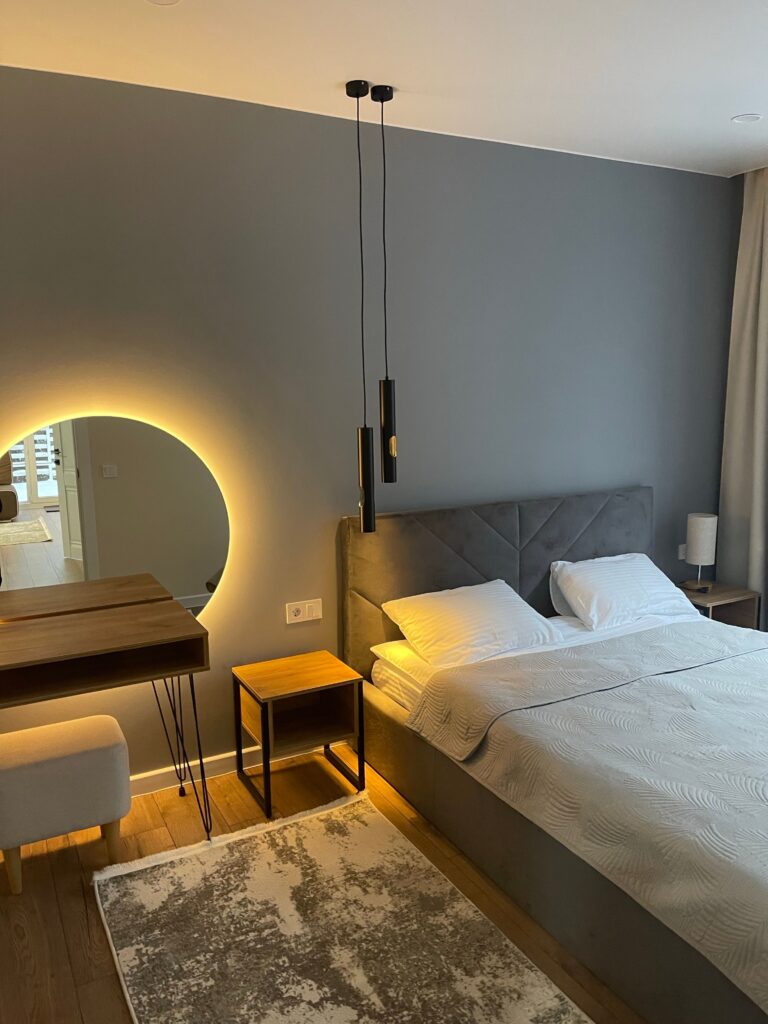
A good night’s sleep can feel hard to come by, especially when your bedroom is too bright, noisy, or uncomfortable. You might think fixing these problems means buying an expensive mattress or giving the entire room a makeover. Fortunately, it doesn’t have to cost much.
Sometimes, the smallest changes make the biggest difference. Moving your furniture, choosing more comfortable bedding, or keeping your room a little cooler can help create a space where it’s easier to relax.
The trick is knowing where to spend your money and where you can make improvements for free. If you’re looking to make your bedroom more comfortable without stretching your budget, here are some practical changes worth trying.
Start by Clearing the Clutter
It’s difficult to unwind when you’re surrounded by laundry, paperwork, and things you haven’t put away. A cluttered bedroom can feel like another unfinished chore instead of a place to rest. Before spending money on decorations or furniture, try giving your bedroom a proper clear-out.
Start with your bedside table. Remove anything you don’t use before bed, including old receipts, empty cups, and random belongings. Keep only a few useful items, such as a lamp, book, and glass of water.
Next, look at the floor and other visible surfaces. Put clothes away, clear unnecessary furniture, and find somewhere to store items you rarely use.
You don’t need expensive storage solutions, either. Try these simple ideas:
- Use empty baskets or boxes to organize smaller belongings.
- Store seasonal clothing in suitcases you already own.
- Make use of the space underneath your bed.
- Donate anything you no longer need.
The goal isn’t to create a perfectly styled bedroom. It’s to make the room feel less crowded and easier to maintain.
Keep Light Under Control
Light can make a surprising difference to how easily you fall asleep. A bright streetlight shining through your curtains or early morning sunlight entering your bedroom might interrupt your rest.
Blackout curtains can help, but they’re not your only option.
If replacing your curtains isn’t affordable right now, consider adding a blackout lining to your existing ones. You could also rearrange your bed so outside light doesn’t shine directly toward your face.
Pay attention to artificial lighting, too. Bright overhead lights aren’t particularly relaxing when you’re getting ready for bed.
Instead, try using a bedside lamp with a warm-colored bulb during the evening. It’s a relatively inexpensive change that makes the room feel more welcoming.
Your phone deserves some attention as well. If you’re used to scrolling in bed, try charging it somewhere beyond arm’s reach. That small adjustment can make it easier to put your phone down and stick to your bedtime
Try turning off electronic devices at least 30 minutes before bedtime to give yourself a little screen-free time to unwind.
Make Your Bed More Comfortable Without Replacing Everything
Your bed is probably the most important part of your bedroom, but making it more comfortable doesn’t necessarily mean replacing your mattress.
Start by checking your existing bedding. Are your sheets scratchy? Does your pillow leave your neck feeling uncomfortable? Is your duvet too warm for the season?
Addressing these individual problems can be more affordable than buying an entirely new bedding set. For example, if your mattress is still supportive but feels slightly uncomfortable, a mattress topper may help. Just remember that a topper won’t repair a mattress that’s badly sagging.
Your duvet is worth considering, too. If you’re looking for an alternative to traditional down filling, you could consider duvet inserts made of down-alternative from Doze Bedding. Before choosing one, check its warmth, weight, care instructions, and suitability for your local climate.
Don’t overlook your pillows. The right height depends partly on your sleeping position and what feels comfortable for your neck and shoulders.
Rather than replacing everything at once, identify the one thing that’s bothering you most. Improving that first will help you make better use of your budget.
Find a Comfortable Bedroom Temperature
Have you ever struggled to sleep because your bedroom felt stuffy or unbearably warm?
Temperature can affect how comfortable you feel throughout the night. Although everyone’s preferences are different, keeping your bedroom cool, dark, and quiet can help create a more restful setting.
You don’t necessarily need air conditioning to make improvements.
Opening your windows when outdoor conditions are suitable can help freshen the room. During hot weather, closing curtains against direct afternoon sunlight may help prevent some heat from building up.
A fan can also be useful, particularly if you already have one elsewhere in your home.
Your bedding matters here as well. Heavy blankets might feel cozy during colder months but become uncomfortable when temperatures rise.
Try adjusting your bedding with the seasons instead of using the same layers throughout the year. If your room tends to get cold, check for drafts around windows and doors before spending more on heating. Simple weatherstripping can sometimes help.
Reduce Noise and Other Distractions
You can’t always control what’s happening outside your bedroom. Neighbors, passing traffic, and household activity can make falling asleep difficult.
Fortunately, there are inexpensive ways to make these sounds less noticeable. Thick curtains and rugs can soften some sounds within a room, although they won’t completely block outside noise.
If sudden noises keep waking you, a fan or a consistent background sound may help mask them. Some people also find earplugs useful, provided they’re comfortable and safe for their circumstances.
Consider the sounds inside your bedroom, too. A ticking clock, buzzing charger, or noisy appliance might be more distracting than you realize.
Spend a few minutes listening to your room at bedtime. You may notice a small irritation that’s easy to fix. And if other household members have different schedules, agreeing on a few quiet hours can make evenings more peaceful for everyone.
Add Cozy Touches Using What You Already Own
A sleep-friendly bedroom doesn’t need to look like a luxury hotel. In fact, familiar surroundings can be just as relaxing. Before shopping for new decor, look around your home for items you could use differently.
An unused throw blanket might look lovely folded across the foot of your bed. A lamp from another room could provide softer evening lighting. Even rearranging a few pieces of furniture can make your bedroom feel more spacious.
Keep decorations simple, especially around the bed. Too many cushions, ornaments, or accessories can create extra clutter and more cleaning.
If you enjoy having plants indoors, choose varieties suitable for your room’s lighting and your ability to care for them. Plants can add a pleasant touch, but they aren’t necessary for better sleep.
Most importantly, choose things that make you feel comfortable rather than following expensive decorating trends.

Final Thoughts
Creating a sleep-friendly bedroom is less about how much money you spend and more about making thoughtful changes to your surroundings.
Start with the basics: clear unnecessary clutter, control unwanted light, and make your bed as comfortable as possible. Then look at temperature, noise, and the little distractions that might be interrupting your evenings.
There’s no need to tackle everything in one weekend. Pick one problem, find an affordable solution, and see how it works before moving on to the next.
Over time, these small improvements can help turn your bedroom into a calmer, more comfortable place to end each day.