Updated on: November 16, 2026
Originally published on: November 16, 2026
Wondering what to do after moving into a new home when the kids are tired and nobody can find the pajamas? Start with what your family needs tonight. With boxes in every room, finding the bedding, phone chargers, and a favorite stuffed animal can make that first evening feel a little more like home.
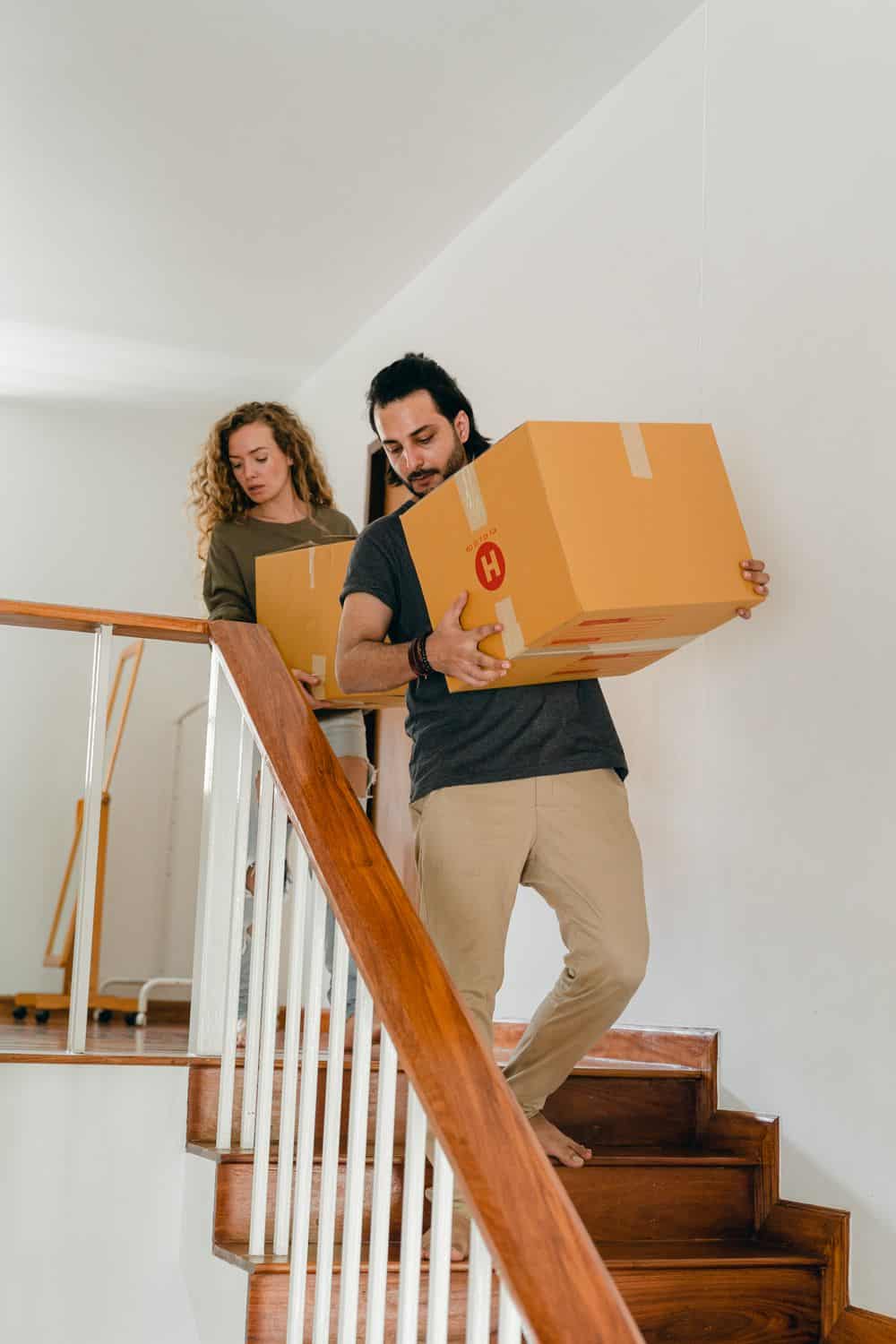
The first night in a new home doesn't require a fully organized house. What matters is having the essentials ready for bedtime, meals, and the following morning. With a little planning, the first 48 hours can be much easier for parents and children alike.
Focus on Essential Rooms During the First 48 Hours
Trying to unpack the whole house at once rarely makes sense, especially when moving with kids. The kids need attention, and everyone is worn out from moving day.
Instead, focus on what your family needs to get through the day. A comfortable place to sleep, a working bathroom, somewhere to eat, and a few everyday essentials should come first. The decorations and closet organization can wait.
Plan the Priority Unloading Order
Before moving day, decide which furniture and boxes you'll need first. Beds, children's belongings, bathroom supplies, and first-night boxes should be clearly labeled.
If you're working with NJ movers, ask ahead of time where they'll put the beds, bathroom boxes, and anything you'll need that first night. This helps keep important belongings accessible instead of buried behind furniture or stacks of boxes.
Keep the First-Day Plan Realistic
Leave some room for unexpected delays. Once everyone has what they need, there's no reason to spend the entire evening opening boxes. Getting a good night's sleep matters more.
Set Up Bedrooms Before Unpacking Other Rooms
After a long moving day, everyone needs a comfortable place to sleep. Start with the bedrooms, even if the rest of the house is still full of boxes.
Ask the movers to assemble and position the beds before arranging less important furniture. Keep clean bedding, pillows, and blankets easy to find.
Prepare Children's Sleeping Spaces
A new bedroom can feel a little strange to kids, especially when everything looks different from what they're used to.
A favorite blanket, stuffed animal, night-light, or pillow can help them feel more comfortable. Try to stick to their usual bedtime routine, even if the room isn't completely set up.
For younger children, make sure furniture is stable, cords are out of reach, and heavy boxes aren't stacked where little hands might pull them over.
Keep Bedtime Supplies Together
A separate first-night box for each bedroom can save a lot of searching later.
Include pajamas, clean underwear, bedtime medications, phone chargers, and anything else your family normally uses before going to sleep.
Make One Bathroom Fully Functional
You don't need to organize every bathroom right away. Just make sure there's one clean, working bathroom everyone can use.
Choose one close to the bedrooms, especially if you have young children who might need it during the night.
Unpack Everyday Toiletries First
Start with the things your family uses every day:
- Toilet paper, hand soap, and clean towels
- Toothbrushes, toothpaste, and hairbrushes
- Shampoo, body wash, and basic skincare products
- Children's bath supplies and diapers, if needed
- Prescription medications and basic first-aid supplies
Keep medications somewhere adults can reach but children cannot.
Check the Bathroom Before Evening
Make sure the toilet flushes, the faucets work, and there's hot water. Check for leaks or drainage problems before everyone starts getting ready for bed.
If you have small children, keep cleaning products, razors, and other potentially dangerous items out of reach.
Create a Simple Kitchen and Food Station
Nobody needs to cook a big family dinner after spending the day moving. The kitchen doesn't have to be completely unpacked. You just need a place where everyone can grab something to eat or drink.
Prepare a Temporary Eating Area
Use the kitchen counter or dining table as a temporary food station. Keep plates, cups, utensils, napkins, and paper towels in one spot.
Add drinking water, snacks, and a few foods your kids already know and like.
If you have a baby, make sure formula, bottles, and feeding supplies are easy to reach.
Plan Breakfast for the Next Morning
Breakfast is one of those little things that's easy to forget until everyone's hungry the next morning.
Have cereal, bread, fruit, or another simple breakfast ready. If the coffee maker or toaster is still packed, choose something that doesn't require much preparation.
Keep Children's Essentials Within Reach
Moving is a big change for kids, too. They're in a new place, their usual things are packed away, and their normal routine has been turned upside down.
Keeping a few familiar toys, books, and comfort items nearby can make the first couple of days easier.
Prepare for Different Ages
Babies and toddlers need spare clothes, familiar comfort items, and a safe place to play while adults are busy.
Preschoolers might enjoy picture books, coloring supplies, and a few favorite toys.
Older kids and teenagers may appreciate having their personal belongings nearby and a quiet space to relax away from the moving activity.
Maintain Familiar Family Routines
Try to keep meals, naps, and bedtime close to their usual times. Even small routines can help kids feel more comfortable.
And don't expect children to spend the whole day helping unpack. Give them time to play, rest, or explore their new neighborhood with you.
Organize the Second Day Around Daily Routines
By the second day, the goal is to make everyday life a little easier, especially if work, school, or daycare starts again soon.
Prepare School and Work Essentials
Make sure backpacks, lunch containers, school clothes, work outfits, laptops, chargers, and important documents are easy to find.
If your children are starting at a new school, double-check transportation arrangements and morning schedules.
Parents working from home should also make sure the internet is working and their equipment is ready.
Establish Safe Walking Areas
Boxes and furniture can quickly turn hallways and stairs into obstacle courses, especially when kids are running around.
Ask the movers to place heavy furniture where it belongs and keep the main walkways clear. Before everyone settles in, check that exits aren't blocked and there are no obvious tripping hazards.
Leave Nonessential Unpacking for Later
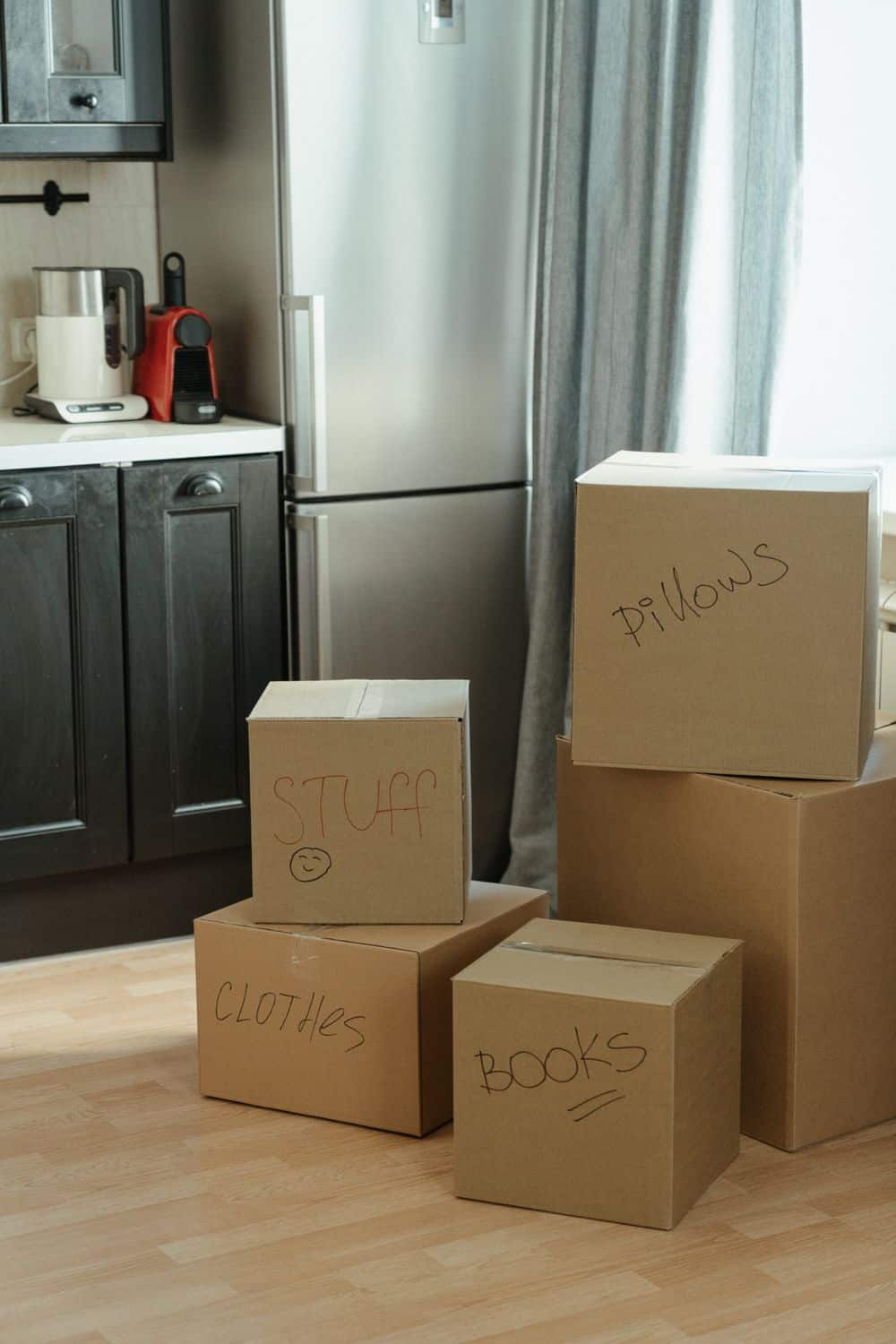
Bookshelves, seasonal clothing, decorations, and kitchen gadgets you rarely use can stay packed for a few more days.
There's no need to unpack everything just because the boxes are there. Focus on what your family actually uses, and leave the rest until you have more time and energy.
Give Everyone Time to Adjust
Children may miss their old bedrooms, neighbors, or favorite places. Parents may also feel pulled between getting the house organized and helping everyone feel comfortable.
A family dinner, a familiar bedtime story, or a short walk around the neighborhood can be just as important as unpacking another box.
Make the First Two Days Comfortable, Not Perfect
A successful first 48 hours isn't about how many boxes you've unpacked or whether every room looks finished.
It's about having comfortable beds, meals on the table, and the everyday things your family needs.
The rest can wait. Your family has plenty of time to turn the new house into a home.
FAQs About the First 48 Hours After Moving
How can parents split responsibilities during the first two days?
One parent might handle questions from the movers while the other keeps an eye on the kids and gets their essentials ready. There's no perfect arrangement, so choose whatever works for your family's schedule and needs.
What should you do if your furniture arrives later than expected?
Contact the moving company for an updated delivery window. If the delay is significant, you may need temporary sleeping arrangements or a place to stay until your furniture arrives.
Should young children be present while movers are unloading?
If possible, have younger kids stay with a trusted caregiver or in a separate, supervised area. Movers need clear access to hallways, doorways, and stairs, especially when carrying heavy furniture.
What if your family discovers a problem with the new house?
Start with anything that affects safety or basic needs, such as electricity, plumbing, heating, or access to the home. Contact the appropriate service provider, landlord, or property manager as soon as possible.
Is it better to take time off work after moving with children?
If you can manage it, an extra day off can make a big difference. It gives you time to handle delayed deliveries, appointments, and childcare without rushing straight back into your regular schedule.