
This post may contain affiliate links. I only recommend products I use and love. Read the full disclosure here
Updated on: January 2, 2026
Originally published on: January 2, 2026
Organic wood-fiber linens offer a simple upgrade to sleep comfort and home care. They feel smooth, regulate temperature well, and are easy to maintain. Plus, they are increasingly popular with people who want materials that are gentle on skin and lighter on the planet, without sacrificing everyday comfort or durability. If you want fabrics that balance performance, ease of care, and responsible sourcing, these linens make a strong, practical case.

What Counts as Organic Wood-fiber Linens
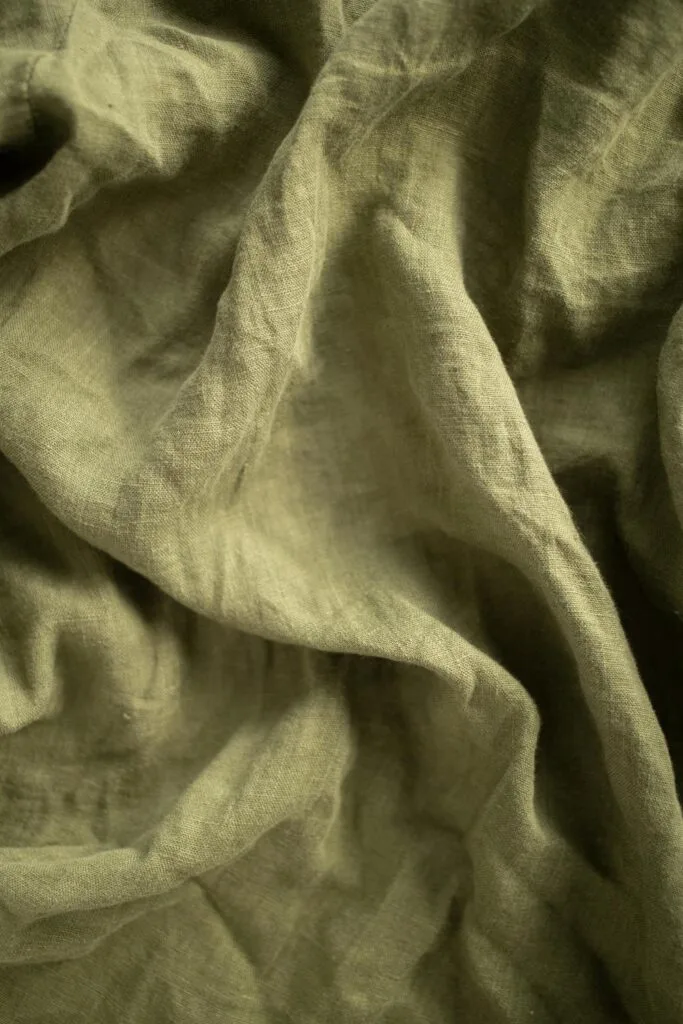
Wood-fiber linens are textiles made from cellulose that begins as responsibly sourced wood pulp. The most common types you will see are lyocell and bamboo viscose, which turn that pulp into fine, smooth threads. When brands call these fabrics organic, it usually means the wood comes from well-managed forests and the production relies on cleaner chemistry with closed-loop processes that capture and reuse solvents.
Look for independent certifications and clear supply chain info to back up those claims, since labels like FSC, PEFC, or OEKO-TEX can help you compare. The result is a fabric that feels soft, drapes beautifully, and breathes well, while also aiming for a lighter environmental footprint than many conventional options.
Quick Comfort You Can Feel
The first thing most people notice is the handfeel. These sheets glide across the skin without that waxy coating some synthetic blends have. If you are building a full setup, a full bamboo bedding bundle brings a consistent feel from pillowcase to duvet cover. Many sleepers describe an almost satin-like touch that suits sensitive skin without trapping heat.
Breathability that Actually Works at Night
Airflow matters when you are trying to stay asleep. The fiber structure in lyocell and bamboo-derived fabrics helps move moisture away from the body so sweat does not linger. A consumer sleep resource noted that the best bamboo sheets are known for being soft, cool, and breathable, and that moisture-wicking can make a real difference on hot nights.
Skin-friendly By Design
Skin comfort is not only about softness. Fewer harsh chemical residues can also help. When products meet high testing standards for harmful substances, people with reactive skin often notice fewer issues. Certifications that screen for classes of common irritants give you a practical shorthand for safer choices without turning laundry day into a research project.
Easy care with fewer headaches
You should not need special routines to keep linens fresh. Most wood-fiber sheets wash well in cool to warm settings and dry quickly, which saves time. They also tend to resist the stiff feel that some cotton sheets get after repeated hot cycles.
- Wash on gentle or normal to preserve the fabric surface
- Skip heavy softeners that can reduce moisture-wicking
- Tumble dry low or line dry to maintain drape
- Rotate sets to extend lifespan across seasons
Reliable Standards You Can Verify
Trust starts with transparent testing. OEKO-TEX updates its STANDARD 100 list of test criteria and limit values each year, and a recent circular confirmed new rules that became binding on April 1, 2025. That shift highlights a steady tightening of safety screens, which helps buyers rely on labels that keep up with new chemical knowledge rather than set-and-forget thresholds.
Temperature Balance Across Seasons
Good linens handle peaks and dips in room temperature without forcing you to switch sets every month. Wood-fiber fabrics tend to release heat quickly in summer, yet they layer well in winter with a duvet or blanket. If your bedroom runs warm, these sheets can reduce nighttime overheating without the scratchy feel some crisp weaves create.
Moisture management that prevents clammy wakeups
Night sweats are common, whether from workouts, hormones, or summer humidity. Linens that can absorb and move moisture feel drier against the skin in the middle of the night. That small shift can keep you asleep longer and cut down on the number of times you flip the pillow to the cool side.
Durability that Respects Your Budget
The right weave and weight make a difference in how long sheets last. Many wood-fiber options use strong, fine yarns that hold up well with weekly washing. Look for a smooth weave and reinforced hems, as these are stress points during laundering and bed making.
- Check for double-stitched seams on pillowcases and flat-sheet tops
- Feel for consistent fabric density when you hold sheets up to the light
- Choose a moderate fabric weight for year-round use
- Store in a dry, shaded place to protect fibers between rotations
Cleaner Supply Chains and Practical Sustainability
Organic wood-fiber textiles can support better resource use. Lyocell production, for example, is known for solvent recovery in closed-loop systems that sharply reduce waste. When brands choose certified forests and invest in traceability, you get a fabric that aligns daily comfort with smarter material flows. For shoppers who want action over slogans, this is a tangible way to support better industry practices.


Allergy-aware and Asthma-friendly Details
Dust mites thrive in warm, damp environments. By wicking moisture and drying faster between wash cycles, wood-fiber linens can make the sleep surface less welcoming to allergens. Pair that with regular hot-water pillow washes, and you create an environment that is easier to maintain week to week.
Quiet Luxury without The Fuss
There is a calm elegance to a bed that drapes well and feels cool to the touch. Organic wood-fiber sheets often have a soft sheen and a weight that settles without cling. You get that hotel-bed vibe with less ironing and fewer crisp lines to smooth out every morning.
Sizing and Fit that Stays Put
Deep-pocket options and elasticized edges make setup simple. Because these fabrics are flexible without being baggy, fitted sheets often stay snug across the mattress. That means fewer corners popping loose and less time re-tucking when you would rather be sleeping.
What Sleep Experts and Standards Keep Saying
Independent reviewers frequently point to bamboo-derived sheets for their softness, cooling feel, and breathable performance. A well-known sleep publication emphasized those traits when discussing top picks, adding that moisture-wicking fabrics can help during humid nights. Standards bodies are also moving the goalposts in a useful way. OEKO-TEX communicated that its updated STANDARD 100 limit values became mandatory on April 1, 2025, which underscores an ongoing push toward tighter chemical safety across textiles.
Organic wood-fiber linens deliver comfort you notice on night one and keep appreciating over time. They breathe, wick, and wash with less effort, which adds up to better sleep and easier routines. If you want a bed that feels calm, looks refined, and works hard in the background, these fabrics are a smart, low-stress choice.