
This post may contain affiliate links. I only recommend products I use and love. Read the full disclosure here
Updated on: August 11, 2026
Originally published on: August 11, 2026
A good cup of tea does not require a complicated setup. Sometimes, all you need is hot water, loose-leaf tea, and a simple three-piece vessel called a gaiwan. Learning how to use a gaiwan is an easy way to enjoy traditional Chinese tea brewing at home. Used in Chinese tea culture for centuries, the gaiwan is valued for both its elegance and practicality.
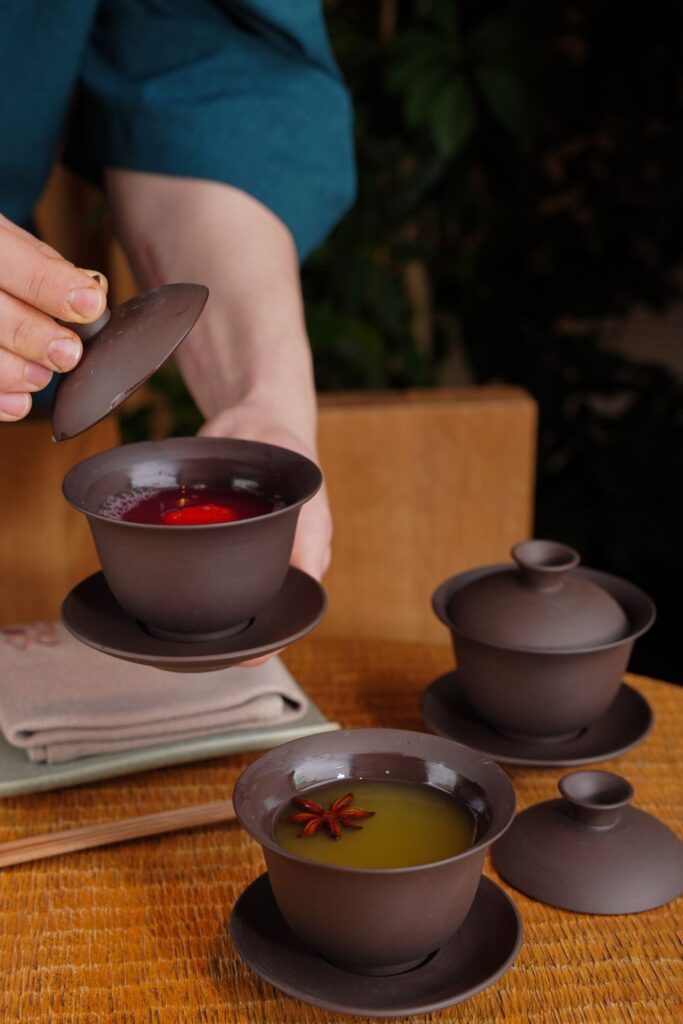
Its open shape allows tea leaves to expand freely, while the lid helps control steeping and pouring. From fragrant oolong to delicate white tea, it offers a direct way to experience the changing aroma and flavor of each infusion. Although it may look unfamiliar at first, the gaiwan is surprisingly easy to use for everyday tea drinking at home.
What Is a Gaiwan?
The word “gaiwan” means “lidded bowl.” Usually made of ceramic, a gaiwan consists of three parts: a lid, a bowl, and a saucer.
Together, these three elements have often been interpreted through the traditional Chinese idea of the “Three Talents.” The lid represents heaven, the saucer represents earth, and the bowl between them represents humanity. In one small vessel, the three exist in balance.
This symbolism is one reason the gaiwan feels more meaningful than its simple form might suggest. The lid holds warmth and fragrance, the bowl receives the tea and water, and the saucer supports the entire vessel. Each part has its own function, but the gaiwan only works properly when all three are used together.
The gaiwan has been part of Chinese tea culture since the Ming Dynasty and remains an important part of traditional Chinese tea preparation today.
Why Use a Gaiwan for Tea?
The greatest advantage of a gaiwan is its neutrality.
Unglazed clay teapots may gradually absorb the aroma and oils of the teas prepared in them. This can be desirable when a teapot is dedicated to one particular type of tea. A glazed porcelain gaiwan, however, absorbs very little aroma. It can be used for white tea in the morning, oolong in the afternoon, and black tea in the evening without strongly carrying flavors from one session to the next.
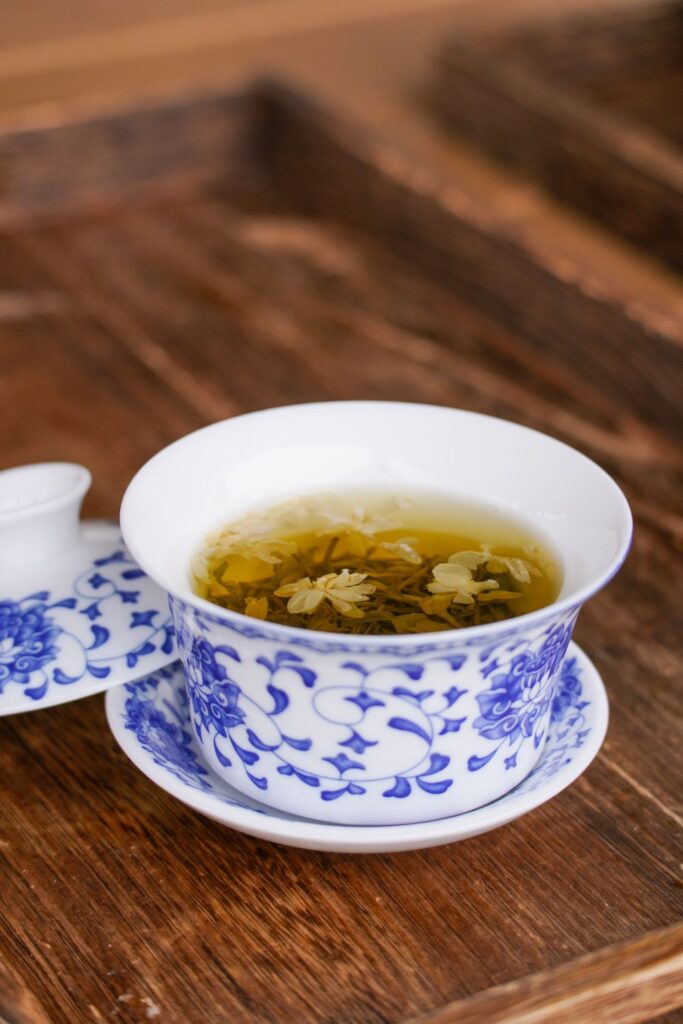
Its wide opening also makes tea easier to observe. You can see rolled oolong leaves slowly expand, watch white tea leaves rise and fall, or notice how the color of the infusion changes between steeps.
The lid provides additional control. By adjusting the gap between the lid and the bowl, you can control the speed of the pour while keeping most leaves inside. Because the tea can be poured out quickly and completely, it is easier to prevent over-steeping.
A tea might begin with a light floral fragrance, become richer and smoother in the middle infusions, and finish with a gentle sweetness. Using a gaiwan makes these small changes easier to notice.
How to Use a Gaiwan at Home
Using a gaiwan may seem difficult at first, especially when handling hot water, however, once you master the technique, it becomes easy and comfortable to use. For everyday use, a gaiwan with a capacity of around 100 to 150 milliliters is perfect.
Prepare the Tea Ware
For a simple home tea session, you need a gaiwan, loose-leaf tea, hot water, a cup, and preferably a small sharing pitcher.
The pitcher, often called a fairness cup, collects the entire infusion before it is divided into cups. This ensures that each cup has a similar strength.
A full ceremonial tea table is not necessary. A tray, large plate, or absorbent cloth can catch small spills while you practice.
Warm the Gaiwan
Pour hot water into the empty gaiwan, place the lid on top, and wait for a few seconds. Pour the water into the pitcher and cups before discarding it.
This warms the tea ware and helps maintain a stable brewing temperature. It also prepares the gaiwan for the dry leaves.
Add the Tea Leaves
Place the loose-leaf tea into the warm bowl. For a small gaiwan, three to five grams can be a reasonable starting point, although the amount depends on the tea and personal preference.
Rather than relying only on weight, you can begin with enough leaves to cover the bottom of the bowl lightly.
Close the lid and gently shake the gaiwan once or twice. Then lift the lid slightly and smell the warmed leaves. This is one of the most enjoyable moments of the process. The warmth releases aromas that may not be noticeable when the leaves are cold.
Add Water at the Right Temperature
Not every tea should be brewed at the same temperature.
Delicate green tea and fresh white tea are often better with water around 80 to 90 degrees Celsius. Water that is too hot can make tender leaves taste bitter or overly vegetal.
Many oolong teas, black teas, aged white teas, and pu-erh teas can be brewed with hotter water. Higher temperatures help release deeper aromas and fuller textures from thicker or tightly rolled leaves.
Using the right water temperature helps bring out each tea’s unique flavor, aroma, and character.
Pour the water gently along the side of the bowl, filling the gaiwan to around seventy or eighty percent. One common mistake is adding too much water, as an overfilled gaiwan is difficult to handle and leaves little space for the lid.
Control the Steeping Time
Gaiwan brewing usually uses shorter infusions than brewing tea in a large mug or teapot.
The first full infusion may last around ten to twenty seconds, depending on the amount of tea, water temperature, and type of leaf. Later infusions can gradually become longer.
These times are not strict rules. Taste is more important than a timer. When the tea tastes too weak, extend the next steep slightly. When it becomes bitter, drying, or heavy, reduce the time or lower the water temperature.
Hold and Pour the Gaiwan
The most common way to hold a gaiwan is with one hand.
Place your thumb and middle finger on opposite sides of the rim. Rest your index finger gently on the knob of the lid. Keep the remaining fingers relaxed and away from the hot body of the bowl.
Move the lid slightly to create a narrow opening. Lift the gaiwan and pour the tea into the pitcher in one smooth, confident motion.
The fingers should stay on the rim rather than the sides of the bowl. A slow or hesitant pour can allow the heat to reach your fingers and may also cause the tea to over-steep.
Teas That Work Well in a Gaiwan
A gaiwan can be used for almost any loose-leaf tea, but it is especially suitable for teas that change across several infusions.
Oolong tea is a popular choice because its rolled or twisted leaves open gradually. Each infusion may reveal new floral, roasted, creamy, or fruity notes.
White tea also performs beautifully in a gaiwan. The large leaves have room to expand, while the neutral porcelain preserves their soft aroma and natural sweetness.
Chinese black tea can become fuller and more layered when brewed in short infusions rather than left in water for several minutes. Pu-erh and other aged teas also benefit from the gaiwan’s fast pouring and easy temperature control.
A Small Ritual of Balance
Making tea with a gaiwan is a simple way to slow down and enjoy the moment. The sound of hot water, the aroma of the leaves, and the changing flavor of each infusion can turn an ordinary tea break into something more meaningful.
It does not require a formal ceremony or a complicated setup. With a little practice, brewing tea with a gaiwan can become an enjoyable part of daily life and a simple way to understand the traditions and techniques of Chinese gongfu tea.