
This post may contain affiliate links. I only recommend products I use and love. Read the full disclosure here
Updated on: August 11, 2026
Originally published on: August 11, 2026
.Buying a brand-new house comes with plenty of excitement, but it also comes with decisions that can quickly become overwhelming. A new construction home buying checklist can help you look past the beautiful model home and focus on what you’re actually getting for your money. From the neighborhood and floor plan to upgrades, inspections, warranties, and closing costs, there is a lot to consider before signing on the dotted line.
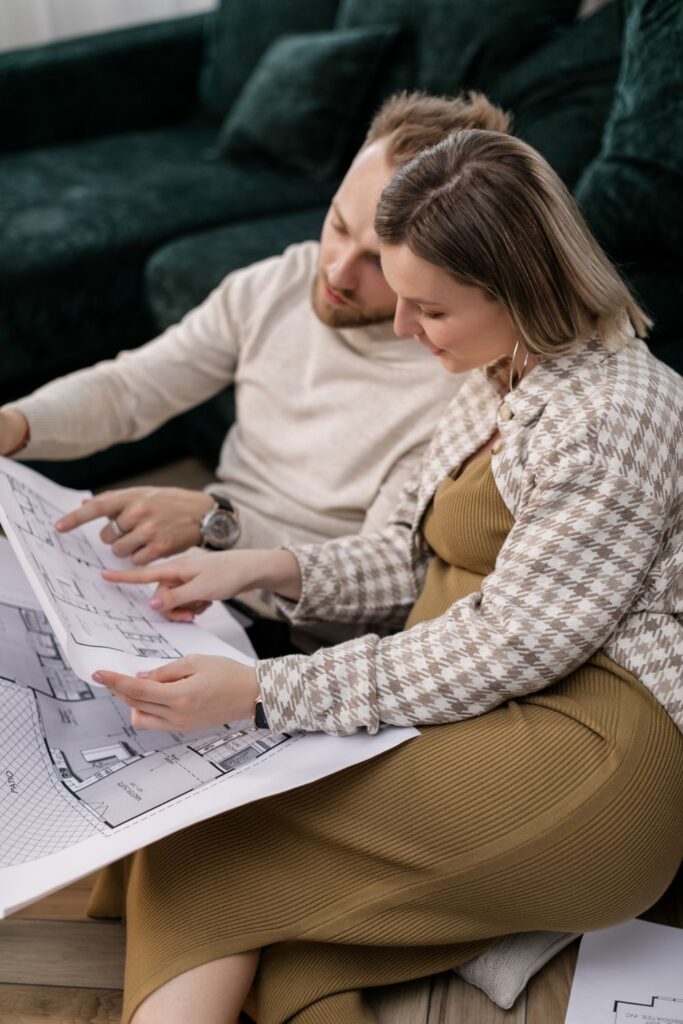
Model homes are designed to impress, and they usually do a very good job of it. Gorgeous furniture, upgraded flooring, designer lighting, perfectly placed decor, and professional staging can make almost any floor plan feel like the one. Unfortunately, what you see in the model isn’t necessarily what comes standard with the home you’re buying.
Taking the time to compare communities, builders, floor plans, contracts, construction timelines, and final costs can help you make a decision based on how the home will actually work for your family instead of how beautiful the model looked during a 30-minute tour.
Why a New Construction Home Buying Checklist Matters
Buying new construction may eliminate some of the concerns that come with purchasing an older home, but it certainly doesn’t eliminate the need for research.
It’s surprisingly easy to fall in love with a gorgeous kitchen, oversized primary bathroom, pretty view, or tempting builder incentive before you’ve looked at the bigger financial picture.
Whether you’re considering a starter home, a move-up property, or browsing luxury new homes, having a written checklist gives you an easier way to compare your options.
Instead of relying on memory after touring several homes and communities, you can evaluate each property using the same criteria. That includes everything from budgeting and location to construction, inspections, closing, and warranty coverage.
Set a Complete Budget
One of the first numbers you’ll probably see is the home’s advertised base price. Unfortunately, that number doesn’t necessarily represent what you’ll actually spend.
Before falling in love with a particular floor plan, create a realistic budget that includes the down payment, closing costs, property taxes, homeowners insurance, HOA fees, utility deposits, moving expenses, and upgrades.
Don’t forget about the things you’ll need shortly after moving in, either. New homes may need window coverings, landscaping, fencing, appliances, storage solutions, or other items that weren’t included by the builder.
A simple way to get started is to:
- Determine the highest monthly housing payment you’re comfortable paying.
- Add estimated property taxes, homeowners insurance, and HOA fees.
- Estimate closing costs, upgrades, design selections, and immediate move-in expenses.
- Maintain a cash reserve for delays, unexpected purchases, repairs, or other surprises.
The goal isn’t simply to determine whether you can afford the house. It’s to determine whether you can comfortably afford the house once all those additional expenses start showing up.
Compare Communities and Locations
You can change paint colors and countertops later. Moving an entire neighborhood is considerably trickier.
Take time to evaluate the community just as carefully as you evaluate the house.
Consider commute times as well as proximity to schools, grocery stores, parks, medical facilities, restaurants, shopping, and emergency services. Depending on your household, some of these may matter much more than others.
Pay attention to what’s surrounding the community, too. Nearby highways, railroad tracks, commercial properties, transit stops, drainage areas, steep slopes, and undeveloped land can all affect your experience after moving in.
It’s also worth asking about planned development, zoning changes, road projects, and future infrastructure.
And don’t limit yourself to one perfectly timed Saturday-afternoon visit. Drive through the neighborhood during the morning commute, after work, in the evening, and on weekends when possible. Traffic, construction activity, noise, and even parking can look completely different depending on when you visit.
Review Floor Plans for Daily Life
A beautifully staged floor plan can make it difficult to picture ordinary Tuesday-night life.
Try to mentally remove the designer furniture and think about how your household actually uses its space.
Measure larger pieces of furniture before touring homes so you’ll know whether they fit. Look at storage near the entryway and kitchen, bedroom privacy, bathroom access, office space, guest accommodations, and areas for hobbies or exercise.
Also pay attention to details such as stair placement, windows, natural light, garage noise, laundry room location, and the distance between bedrooms and main living spaces.
More square footage isn’t automatically better.
A slightly smaller home with excellent storage and a practical kitchen, laundry room, and living area may work far better than a larger house filled with awkward spaces you’ll rarely use.
Separate Standard Features From Upgrades
This is where that gorgeous model home can become particularly misleading.
Ask the builder for a written list of standard features before comparing homes.
Cabinets, countertops, flooring, appliances, plumbing fixtures, lighting, landscaping, fencing, garage finishes, smart-home features, and energy-efficient equipment can vary significantly between communities and floor plans.
As you compare your choices, divide everything into three categories:
- Features included in the base price
- Required upgrades or lot-specific expenses
- Nice-to-have upgrades that could wait until later
Then compare the final expected price, not just the advertised starting price.
A home with the lowest base price can quickly become the more expensive option once necessary upgrades, lot premiums, and other selections are added.
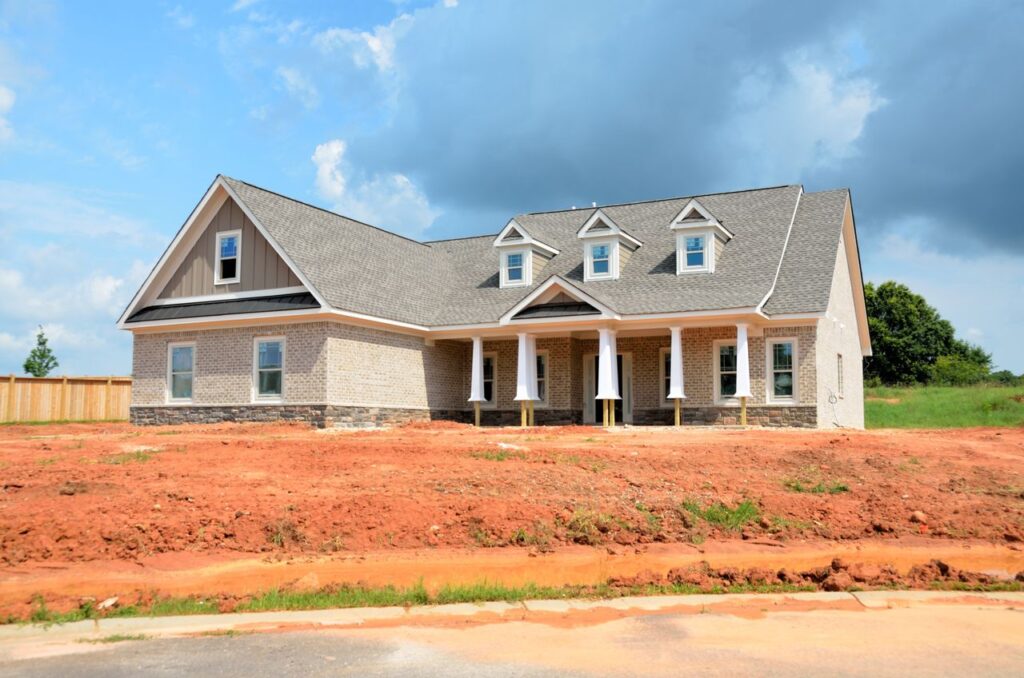
Check the Builder and Contract
Before signing anything, take time to research the builder and carefully review the purchase agreement.
Look over the specifications, site plan, lot information, upgrade schedule, change-order policies, deposit requirements, cancellation terms, construction-delay provisions, warranty coverage, and closing requirements.
You’ll also want to know how communication works during construction.
Who will provide progress updates? How frequently will you receive them? How are requested changes documented? What happens if a selected material suddenly becomes unavailable? How do you submit warranty claims after closing?
These may seem like small questions while you’re choosing cabinets and flooring, but clear communication can become incredibly important once construction begins.
A qualified real estate professional or attorney can also help you understand contract obligations, deadlines, and other terms before they become binding.
Plan for the Construction Timeline
The amount of flexibility you’ll have depends partly on where the home is in the construction process.
A completed or nearly completed home may offer a more predictable closing date. A house earlier in construction may give you more opportunities to choose finishes and other design elements.
Either way, construction schedules can change.
Permits, inspections, weather, labor shortages, scheduling issues, and unavailable materials can all affect the completion date.
Ask the builder for the current estimated completion date and find out how you’ll receive updates if that date changes.
Try not to schedule movers too early. You’ll also want to consider lease expiration dates, the sale of your existing home, financing deadlines, and whether temporary housing would be an option if construction takes longer than expected.
A little flexibility here can save a tremendous amount of stress later.
Schedule Independent Inspections
Brand-new doesn’t automatically mean problem-free.
Even with new construction, an independent inspection can provide another set of eyes during important stages of the building process.
When the builder allows it, consider scheduling a foundation or framing inspection, a pre-drywall inspection, a final inspection before closing, and a follow-up inspection after requested repairs have been completed.
An independent inspector may evaluate visible components such as roofing, flashing, grading, windows, doors, electrical systems, plumbing, HVAC equipment, attic insulation, ventilation, stairs, railings, and other safety-related features.
A blue-tape walkthrough can also help you identify and organize visible cosmetic problems and unfinished details before closing.
Use painter’s tape to mark concerns, photograph each issue, and request a written repair list. Having everything documented creates a much clearer record of what needs attention and what the builder has agreed to correct.
Prepare for the Final Walkthrough
Don’t treat the final walkthrough as a quick formality. This is your opportunity to examine the finished house carefully before closing.
Bring your purchase agreement, upgrade and selection lists, your phone, and something for taking notes.
Work through the house room by room rather than bouncing from one area to another.
Test lights, outlets, faucets, toilets, windows, doors, appliances, garage doors, and heating and cooling equipment. Look closely at flooring, walls, trim, cabinets, countertops, caulking, fixtures, and hardware.
Compare what you’re seeing with the selections and upgrades listed in your paperwork.
Photograph anything that concerns you, keep a written list, and ask the builder for a clear repair plan. You should also determine which items will be completed before closing and how any remaining work will be handled afterward.
Most importantly, don’t let anyone rush you through this step.
Stay Organized After Closing
Once the keys are finally in your hand, don’t toss all that paperwork into a kitchen drawer and forget about it.
Create both digital and paper folders for important documents, including closing paperwork, warranties, appliance manuals, receipts, paint colors, flooring information, fixture details, repair photographs, and warranty requests.
Keeping these records organized can make future repairs and warranty claims much easier.
It’s also a good idea to set reminders for routine maintenance, including HVAC filter replacements, gutter cleaning, caulking inspections, landscaping care, safety-device testing, and seasonal maintenance.
A new home still needs regular attention to stay in good condition.
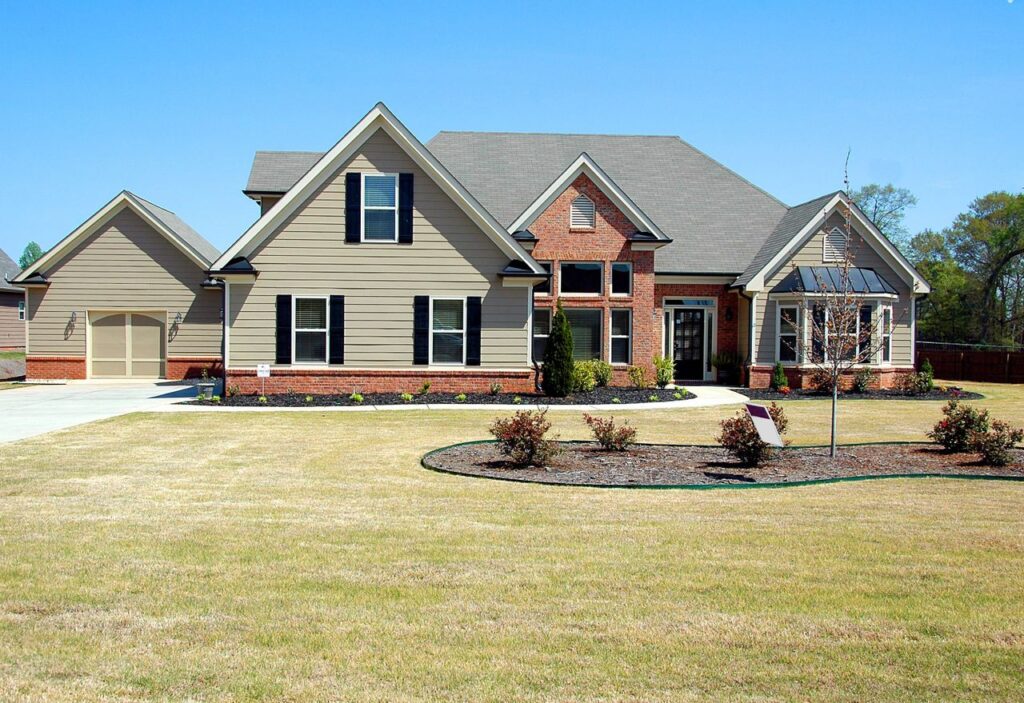
Common Questions From New-Construction Buyers
Should Buyers Use Their Own Real Estate Agent?
Independent representation may be helpful when comparing builders, communities, prices, incentives, construction timelines, and contract terms.
Buyers should understand how representation works before beginning serious discussions or negotiations with a builder.
Can Buyers Negotiate With a Builder?
Sometimes, although what’s negotiable varies by builder, community, market conditions, and even the individual property.
Instead of looking only for a reduction in the purchase price, compare the total value of possible incentives. These might include closing-cost assistance, upgrades, design credits, or financing-related incentives.
The offer with the biggest-looking discount isn’t necessarily the one that saves you the most money.
Is a New Home Maintenance-Free?
No. New construction still requires regular maintenance from the beginning.
HVAC filters need replacing, smoke and carbon monoxide detectors need testing, landscaping needs care, gutters need cleaning, and caulking and other materials should be inspected periodically.
Following the builder’s recommended maintenance schedule may also be important for certain warranty claims.
What if the Home Is Delayed or Repairs Are Unfinished?
Start with the purchase agreement and keep communications with the builder in writing whenever possible.
Document unfinished work with photographs, maintain copies of correspondence, and request a clear timeline for completing outstanding items.
Construction delays can affect financing, moving arrangements, lease expiration dates, and the sale of an existing home, which is why it’s helpful to address potential delays before they become an emergency.
Final Thoughts
Buying a newly constructed home involves much more than choosing your favorite floor plan and picking out countertops.
A good new construction home buying checklist helps you compare the details that will matter long after the model-home tour is over, including the location, layout, total cost, contract terms, construction quality, inspections, energy efficiency, warranty protection, and your household’s long-term needs.
Take time to research the builder, understand exactly which features are included, evaluate the surrounding community, and consider the maintenance responsibilities you’ll have after closing.
The right home doesn’t necessarily have the most square footage, the longest upgrade list, or the flashiest model. It’s the one that fits your budget, supports the way your household actually lives, and continues to make sense after the excitement of move-in day has passed.