
This post may contain affiliate links. I only recommend products I use and love. Read the full disclosure here
Updated on: April 1, 2026
Originally published on: April 1, 2026
Homeownership brings many joys and plenty of responsibilities, and proactive roofing care should sit at the top of that list. Your roof protects your family and your belongings from every storm that passes by. Ignoring small signs of wear might feel easy right now.
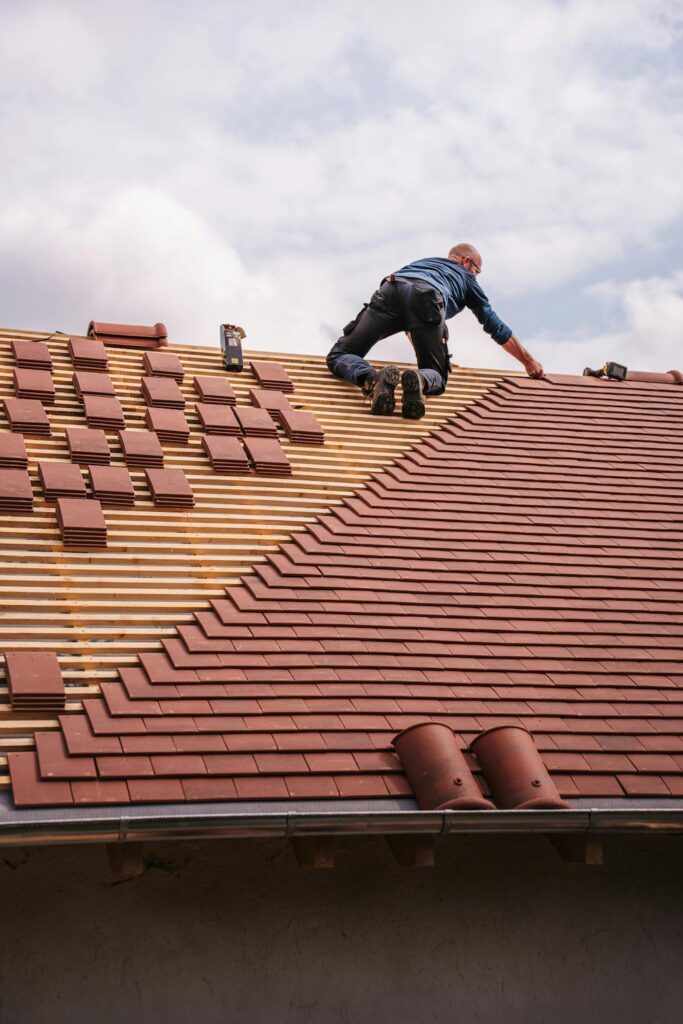
Still, staying ahead of home maintenance needs defines a smart financial strategy for any property owner. A sturdy roof keeps your equity safe and provides peace of mind. Investing in your overhead protection today prevents massive headaches tomorrow.
Detecting Problems Before They Grow
Staying alert to small changes in your attic or ceiling is a wise habit. A tiny spot of water might seem minor during light rain. As time passes, these small leaks expand and rot the wooden structure of your house. Fixing a few shingles costs far less than rebuilding an entire support system.
One professional roofing blog mentioned that waiting for a roof to leak before taking action leads to secondary issues like mold growth. These problems often require expensive remediation services that far exceed the cost of a simple patch. Acting early keeps your interior dry and your bank account full. You can avoid these high costs by scheduling a quick look at your shingles every spring.
Finding Expert Local Help
Local weather patterns often dictate the health of your home’s shingles. You can visit this website to learn about specific services that keep your property safe. Expert contractors provide inspections that help you plan for future upgrades. They know which materials withstand the heat and humidity of your specific region.
Selecting a contractor with deep roots in the community offers extra security. These professionals stand by their work since their reputation depends on local reviews. You get better warranties and faster response times when a storm hits.
Tracking Material Price Increases
The cost of building materials fluctuates based on global supply chains. Homeowners often find that prices for shingles and metal parts rise every year. Delaying a project might mean paying significantly more for the same quality of work. Planning your budget early helps you lock in current rates before they climb again.
A recent industry report noted that major manufacturers raised prices for asphalt shingles and metal accessories by 6% to 10% in 2025. These increases add up quickly for a full replacement project. Buying materials sooner rather than later protects your investment from inflation. Smart shoppers keep a close eye on these shifting market trends.
The Value of Routine Maintenance
Standard upkeep acts like an insurance policy for your home. Clearing out gutters and removing moss prevents water from backing up under the shingles. This simple task stops wood rot and keeps your drainage system flowing correctly. Many owners forget these chores until a major leak occurs during a storm.
Professional guidance suggests that regular inspections help identify tiny flaws in flashing or loose shingles. Catching these issues early prevents them from turning into structural disasters. You extend the life of your roof by years through consistent attention. Routine care is the most affordable way to manage a large property.
- Inspect the flashing around chimneys twice a year.
- Remove debris from valleys to prevent water dams.
- Check for granules in the gutters after heavy rain.
- Look for signs of pests in the attic space.
Analyzing Current Market Values
The demand for roofing services continues to rise across the country. More people are focusing on home improvements to increase the resale value of their properties. A new roof is one of the top features buyers look for in a listing. It signals that the home is well-maintained and ready for move-in.
A market analysis indicated that the roof repair and maintenance industry reached a value of $10.59 billion in 2025. This growth shows how much homeowners prioritize the safety of their structures. High demand can sometimes lead to longer wait times for the best crews.
Labor Shortages and Future Demand
Finding skilled workers for specialized construction tasks is becoming more difficult. Many companies are struggling to find enough hands to complete projects on time. This shortage often leads to higher labor costs as businesses compete for talented staff. Homeowners should realize that waiting to book a project could result in scheduling delays.
Experts in the field predict that the construction industry will need 439,000 new workers in 2025 to keep up with current needs. This number will likely climb toward 500,000 in 2026. Higher demand for labor naturally drives up the total price of home renovations.
Estimating Replacement Square Footage Costs
Budgeting for a full replacement requires a clear understanding of your roof size. Most contractors calculate fees based on the square footage of the surface area. Factors like the pitch and height of the roof play a role in the final bill. Asking for a detailed breakdown helps you plan for the investment.
Current data shows that replacing an asphalt shingle roof in 2026 costs between $4.50 and $8.50 per square foot. These figures include the price of professional labor and the required materials. Knowing these averages helps you compare quotes from different companies. This prevents you from being surprised by the total investment required.
- Asphalt shingles are the most common choice for many families.
- Metal roofing offers longer durability but at a higher price.
- Slate provides a premium look for high-end luxury homes.
- Wood shakes require more maintenance than modern synthetic options.
Life Expectancy of Quality Shingles
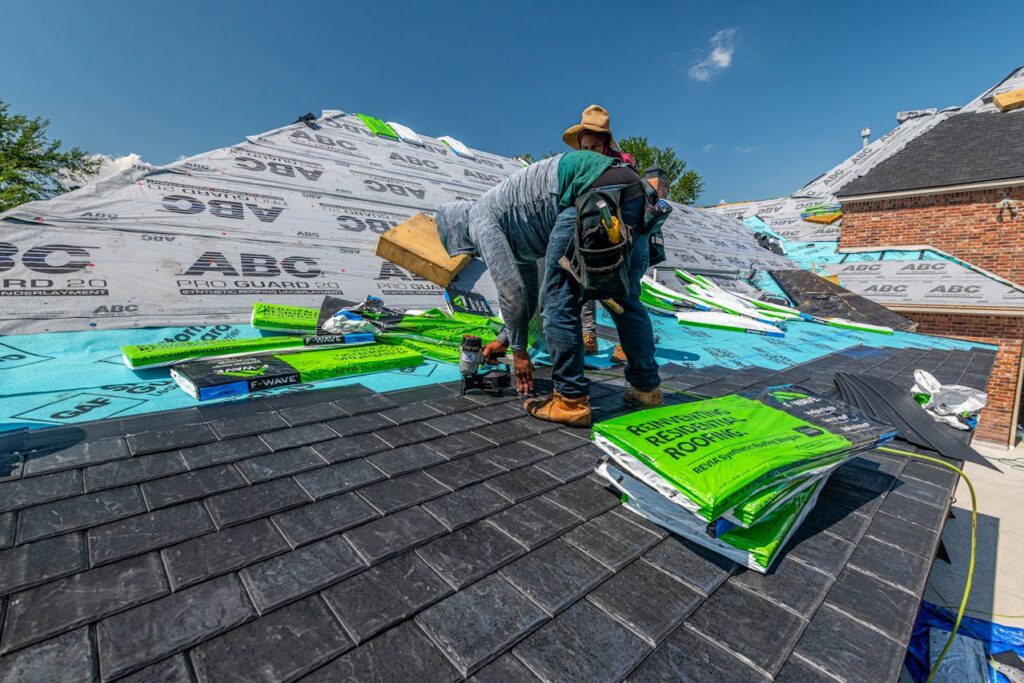
Modern roofing materials are built to last longer than the products used decades ago. New manufacturing techniques create shingles that resist wind and sun damage more effectively. Still, the actual lifespan depends heavily on how well the roof is installed. Proper ventilation in the attic is a major factor in shingle health.
A news update on material durability shared that architectural shingles typically last between 25 and 35 years. This assumes the installation included correct ventilation and regular maintenance checks. Poor airflow causes shingles to overheat and fail much faster than expected.
Caring for your roof is a fundamental part of responsible home ownership. Small efforts today lead to a secure and dry future for your family. You protect your equity and avoid the stress of sudden repairs during bad weather. Staying informed about costs and trends helps you make the best choices for your budget. A proactive approach turns your roof into a lasting asset for your property. Take the time to look up at your shingles and plan for the years ahead.