
This post may contain affiliate links. I only recommend products I use and love. Read the full disclosure here
Updated on: July 23, 2026
Originally published on: July 23, 2026
How can smart water management help you use less water in your garden without making your plants suffer? The simple answer is to water smarter, protect soil moisture, and make small changes that reduce waste.
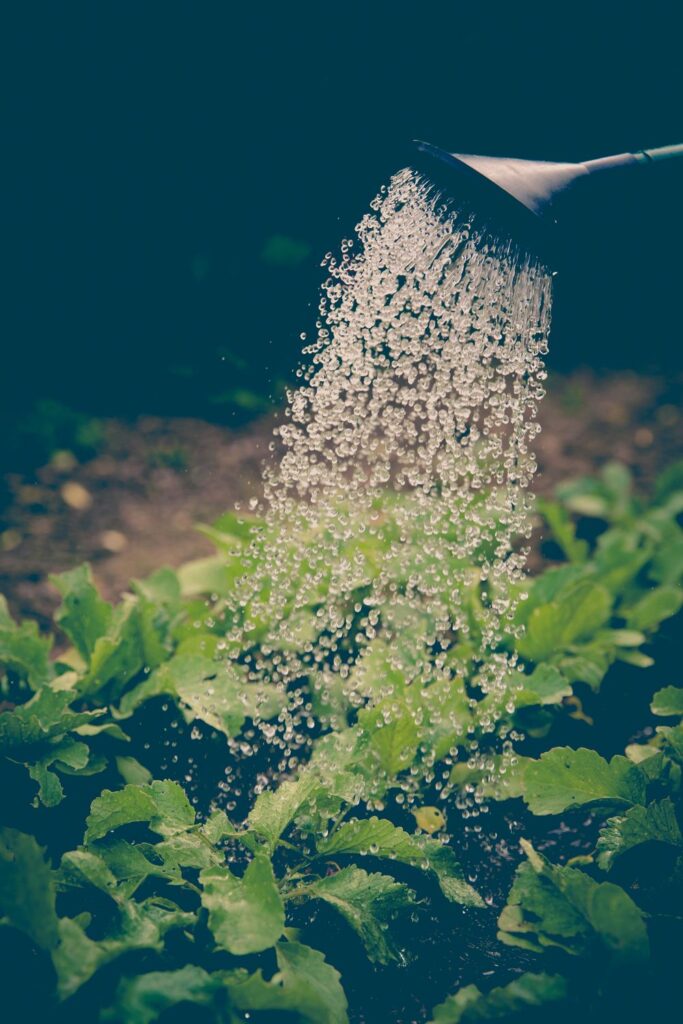
A sustainable garden does not always need more water. It needs better timing, better planning, and a few practical habits that support healthy outdoor spaces.
Water is one of the most important parts of any garden. It helps plants grow, keeps lawns green, supports trees, and makes the backyard feel alive. But many gardens lose water through evaporation, runoff, poor soil coverage, and watering at the wrong time of day.
The good thing is that water management does not need to be complicated. With a few easy steps, you can make your garden more efficient while keeping it looking beautiful.
Collect Rainwater for Everyday Garden Use
Rainwater is one of the easiest natural resources to use in a backyard. When rain falls from the roof, it often runs into drains or unused corners. Instead of letting it go to waste, you can collect it in a rain barrel or storage container.
This collected water can be used for flower beds, vegetable patches, potted plants, and small garden areas. It is especially useful during dry days when plants need extra care.
On properties with young livestock, it may also be used for suitable cleaning tasks around outdoor structures such as calf pens, while fresh drinking water should always be provided separately. It is especially useful during dry days when plants need extra care.
A simple rain barrel placed near a downspout can make a big difference over time. It gives you a backup water source and helps reduce the amount of tap water used outdoors.
Use Mulch to Keep Soil Moist for Longer
Mulch is one of the smartest ways to save water in a garden. It covers the soil and helps slow down evaporation. This means the water you add stays in the ground longer and reaches the roots more effectively.
Organic mulch, such as bark, straw, dry leaves, compost, or wood chips, can also improve soil quality as it breaks down. It protects roots from strong heat and keeps the garden bed looking neat.
A good layer of mulch around plants, trees, and shrubs can reduce how often you need to water. It also helps stop weeds from taking moisture away from your plants. Mulch offers several other benefits besides conserving moisture, including suppressing weeds, regulating soil temperature, and improving soil as it breaks down.
Water Early in the Morning
Timing matters a lot when watering a garden. Early morning is usually the best time because the air is cooler and the sun is not too strong. This allows water to soak into the soil before heat causes it to evaporate.
Morning watering also gives plants enough moisture to handle the day. Leaves and soil can dry naturally, which helps the garden stay fresh and balanced.
Watering in the middle of the day often leads to more water loss. Watering late at night may leave some areas too damp for too long. That is why morning watering is a simple habit that works well for many gardens.
These watering best practices for home gardens can help you use water more efficiently throughout the growing season.
Try Drip Irrigation for Better Control
Drip irrigation is a useful option for people who want to water plants more directly. Instead of spraying water over a large area, it sends water slowly near the roots. This helps reduce waste and gives plants what they need.
This method works well for vegetable gardens, flower beds, hedges, and raised beds. It is also helpful for busy homeowners because it can be connected to a timer.
Drip irrigation does not have to be very large or complex. Even a small setup can help keep plants healthy while using water more carefully.
Choose Plants That Match Your Climate
A water-efficient garden starts with the right plant choices. Some plants naturally need less water once they are established. These can include native plants, drought-tolerant flowers, hardy shrubs, and certain herbs.
When plants are suited to the local climate, they usually grow with less effort. They can handle seasonal changes better and need less daily attention.
This does not mean your garden has to look plain. Many low-water plants are colourful, textured, and full of life. Choosing the right mix can make your backyard both attractive and easier to maintain.
Improve Soil, So It Holds Water Better
Healthy soil holds moisture better than dry, compacted soil. When soil is rich in organic matter, water can move through it properly and stay available for plant roots.
Adding compost is one of the easiest ways to improve soil. It helps the ground become softer, healthier, and better at holding water.
You can also avoid over-digging or walking too much on garden beds. Compact soil makes it harder for water to soak in. A soft, well-fed soil base supports stronger plants and better water use.
Reduce Water Waste Around Outdoor Spaces
Water-saving is not only about plants. It also includes how you manage the full backyard. Small leaks, overflowing containers, poorly placed sprinklers, and runoff from hard surfaces can all waste water.
Check hoses, taps, and sprinkler heads regularly. Make sure water is reaching plants instead of paths, fences, or driveways. Adjusting one sprinkler angle can sometimes save more water than people expect.
If your property also includes chickens, goats, or other small livestock, cattle waterers can help reduce waste and make sure animals have fresh water available.Check hoses, taps, and sprinkler heads regularly.
Group Plants by Water Needs
Another simple idea is to place plants with similar water needs together. This makes watering easier and more accurate. Plants that need more moisture can stay in one area, while low-water plants can be placed in another.
This helps avoid overwatering some plants while underwatering others. It also makes your garden easier to manage during hot or dry weather.
For example, vegetables and soft herbs may need more regular watering, while hardy shrubs may need less once they settle in. Grouping them smartly saves both time and water.
Add Shade Where It Makes Sense
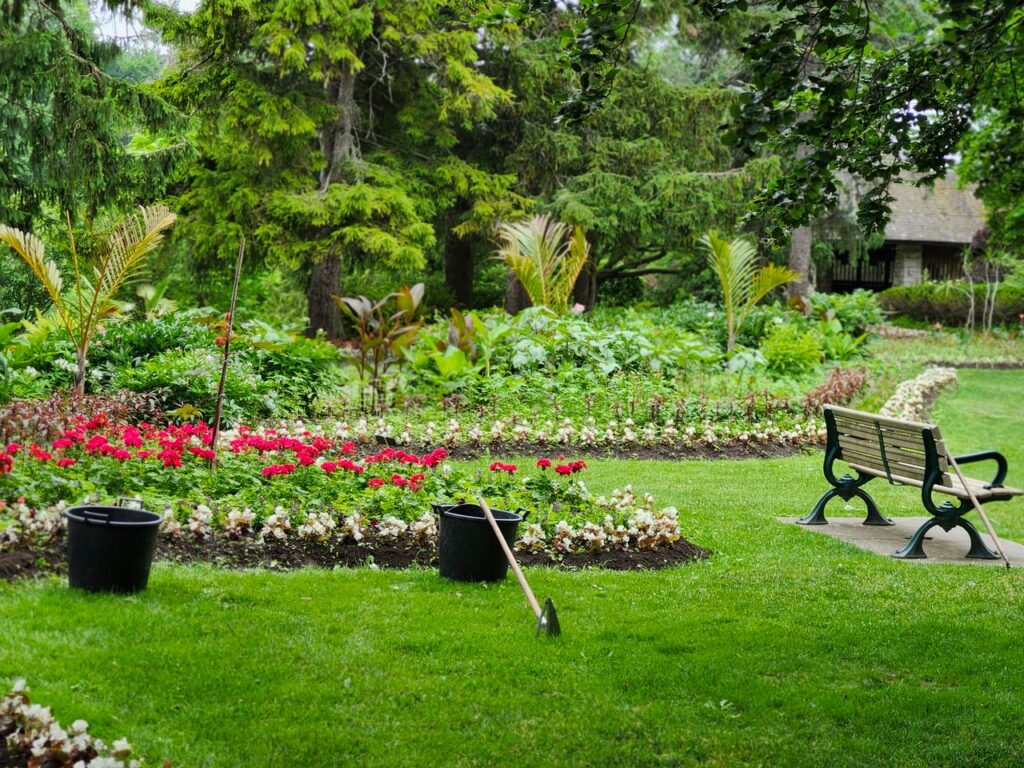
Shade can help reduce water loss in outdoor spaces. Trees, pergolas, shade cloth, and taller plants can protect delicate areas from strong sun.
This is especially useful for young plants, potted plants, and garden beds that dry out quickly. Even partial shade during the hottest part of the day can help soil stay moist for longer.
The goal is not to block all sunlight. Plants still need light to grow. The idea is to balance sun and shade so the garden stays healthy without needing constant watering.
Conclusion
A sustainable garden is built through small, steady choices. Collecting rainwater, using mulch, watering in the morning, improving soil, and choosing the right plants can all help reduce water use.
You do not need to change everything at once. Start with the easiest step and build from there. Over time, your garden, backyard, and outdoor spaces can become healthier, easier to manage, and more water-efficient.