
This post may contain affiliate links. I only recommend products I use and love. Read the full disclosure here
Updated on: April 20, 2026
Originally published on: April 20, 2026
Managing a pond feels like a full-time job when the water turns green. You want a clear view of your fish and a healthy space for nature to thrive. The balance requires a bit of effort and the right approach, especially when using natural pond algae control methods to keep your water clean and clear.
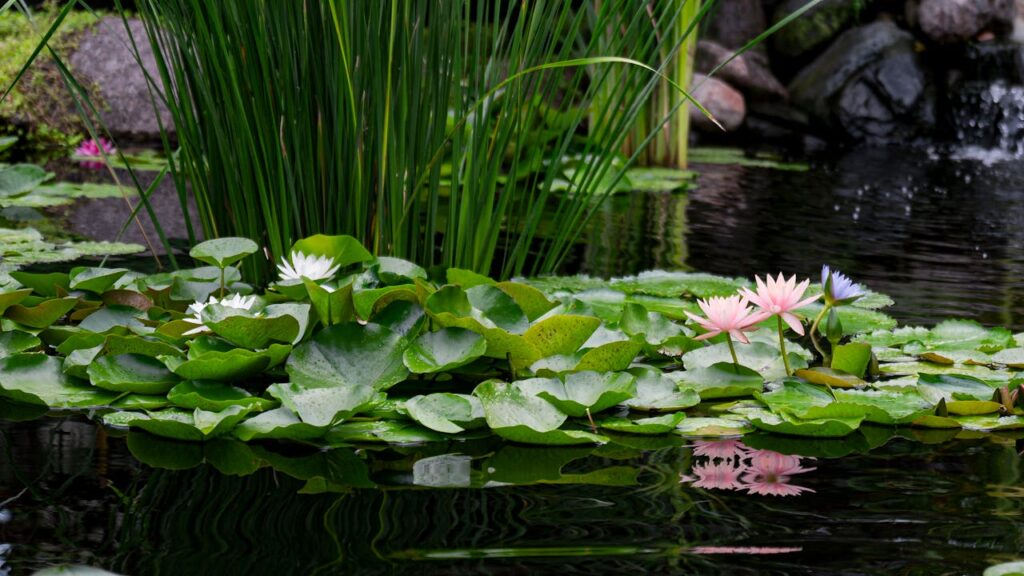
Natural methods offer a way to fix issues without harsh chemicals. Finding the right balance keeps your water clean all year long. You can create a healthy environment that looks great and supports local wildlife.
The Basics Of Algae Growth
Ponds need a specific mix of elements to stay healthy or turn into a mess. Sunlight and warm temperatures create the perfect environment for green growth to take over. You might notice the water getting darker as the days get longer and the sun gets stronger.
A blog post explained that nutrient availability and water temperature are the primary drivers of blooms. When factors align, the water changes color fast.
Watching the weather helps you predict when your pond might need extra care. Shading the water or moving the surface can slow down the process during hot months.
Modern Tech For Pond Health
Keeping water clear requires a mix of old wisdom and new tools. Since ultrasonic algae control is a hands-free method, many owners find it saves them hours of manual labor. The tool works day and night to keep the ecosystem balanced without using any extra additives in the water.
Using technology allows you to focus on enjoying the water instead of cleaning it. Most systems run on very little power and fit right into the existing setup.
You can pair tools with natural filters to get the best results. A well-maintained pond stays clear even when the summer sun is at its brightest. Having a plan in place means you spend less time worrying about the state of your backyard garden.
Natural Filtration With Plants
Adding life to your pond does more than just make it look good. Aquatic plants act as a filter that works around the clock to clean the water. They take in the things that make the water murky and turn them into green leaves and flowers.
One article on water gardens mentioned that plants are the greatest natural filtration tool as they absorb the nutrients that feed green growth. Selecting a variety of species creates a stronger defense against murky water. You should pick plants that grow at different depths to cover the whole pond.
Floating plants provide shade, and underwater types add oxygen to the depths. Combining styles creates a complete system that manages waste before it becomes a problem.
Ultrasonic Solutions For Clear Water
Newer methods for managing water quality are becoming popular for their ease of use. New systems target the problem directly without hurting other life in the pond.
A market report stated that the technology offers a non-chemical method that does not disrupt the environment. It is an attractive choice for people who want to avoid traditional treatments.
The setup is usually simple and does not require constant monitoring. You can set the device and let it handle the heavy lifting for your water health. It is a set-and-forget solution that works well for busy people who love their water features.
Managing Nutrient Runoff
Runoff from your yard often carries hidden materials into the water. These materials act like fuel for unwanted growth and can cause a sudden spike in green haze. You should look at the area around your pond to see where rain might be washing in debris.
- Keep grass clippings away from the pond edge.
- Limit the use of fertilizers near the water.
- Plant a buffer strip of tall grass.
- Check for leaks in nearby drainage pipes.
A government report found that projects completed in 2025 prevented 1,810 kilograms of phosphorus from entering local water bodies. Small changes in how you manage your land lead to massive improvements in water quality.
Reducing the load on your pond means the natural filters do not get overwhelmed. A proactive step keeps the water clear and safe for all the creatures living there.
The Science Of Sonic Waves
Sound waves travel through water in ways that can change how tiny organisms live. The process targets the internal structure of green growth to stop it from spreading. It is a fascinating way to use physics to manage a biological problem in your backyard.
Research on water management shows that certain frequencies disrupt the buoyancy of the organisms and cause them to sink. Once they lose their ability to float, they cannot reach the light and eventually die off.
This method is safe for fish and frogs since it only affects specific types of cells. It provides a clean way to manage the pond without adding any liquid products to the water. Your pond stays clear, and the natural balance of the ecosystem remains intact.
Controlling Mineral Levels
High levels of minerals like phosphorus create a cycle of growth that is hard to break. Managing levels is a primary part of any pond care routine. You can find minerals in fish food and decaying leaves that sit in the water too long.
A university guide suggested that attempts should be made to limit the amount of phosphorus entering any water body. It keeps the ecosystem from getting out of balance during the growing season.
You can test your water to see which minerals are too high. Knowing the numbers helps you choose the right natural fix for your specific situation. A quick test every few months gives you the data you need to stay ahead of any issues.
Boosting Oxygen For Pond Health
Moving water is healthy water. Adding air to the pond helps every part of the system work better from the surface down to the bottom. It keeps the water from becoming stagnant and helps prevent bad smells from developing.
- Install a small fountain or waterfall.
- Use a bottom diffuser for deep water.
- Keep the pump running during hot nights.
- Clean the intake screens regularly.
Expert advice on aquatic health says that aeration provides a consistent oxygen supply, which reduces stress on fish. It is very helpful during the winter when ice might cover the surface. Keeping a small hole in the ice allows gases to escape and oxygen to enter the water.
A steady flow of oxygen supports the beneficial bacteria that clean up waste. It turns your pond into a self-cleaning machine that stays clear with less effort. Your fish will be more active, and the water will look much brighter when the oxygen levels are high.
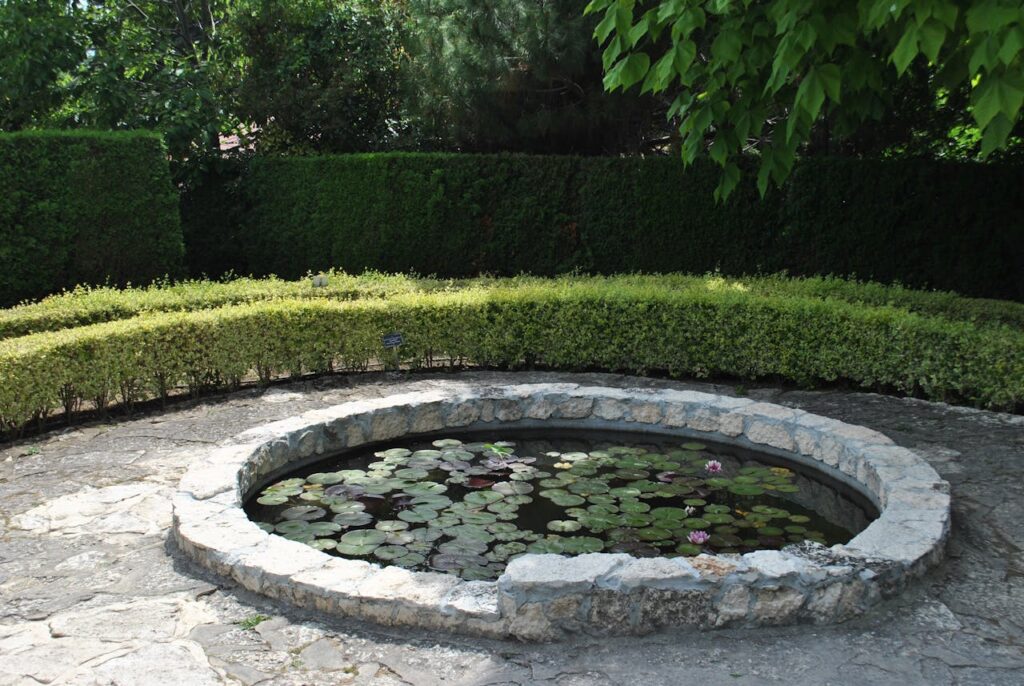
Natural pond care takes a little bit of planning but pays off with a beautiful view. Using the right tools and plants makes the process easy for any homeowner. You can find a routine that works for your schedule and keeps your water looking its best.
You can enjoy a clear pond that supports local wildlife without using harsh chemicals. Stick to natural steps and watch your water thrive throughout every season. A little bit of care goes a long way in keeping your outdoor space peaceful and clean.