
This post may contain affiliate links. I only recommend products I use and love. Read the full disclosure here
Updated on: April 23, 2026
Originally published on: April 23, 2026
Feminine comfort habits are one of those things you don’t always think about until something feels… off. The four simple habits for effortless daily feminine comfort include wearing breathable cotton fabrics, simplifying your hygiene routine with unscented products, maintaining consistent hydration, and paying attention to recurring physical symptoms.

These simple, practical shifts don’t require extra time or complicated routines, but they can make a noticeable difference in how your body feels throughout the day. By making small adjustments to your existing women’s self-care habits, you can prevent common sources of irritation and stay more balanced without overthinking it.
For most busy women balancing work, family, and everything in between, intimate wellness tends to fall to the bottom of the list. But the truth is, it’s often the smallest daily choices—like the fabric against your skin or whether you grabbed that water bottle—that quietly add up.
These habits work behind the scenes, supporting your comfort without adding pressure, guilt, or one more thing to manage.
1. Let Your Body Breathe Literally
Wearing tight synthetic leggings from morning yoga all the way through an afternoon of errands creates more than just a style challenge.
The skin in the intimate area is highly sensitive and requires consistent airflow to stay balanced. When heat and moisture remain trapped against the skin for hours, it creates an environment that can lead to irritation.
According to experts, choosing breathable fabrics can significantly reduce the risk of infection in sensitive areas.
For optimal comfort, you should wear cotton underwear because it lets your vaginal area breathe more than synthetic fabrics.
If you are experiencing ongoing discomfort and want to understand your daily habits, use educational resources like journaling apps, general wellness checklists, or NeuEve’s science-backed vaginal health quiz to evaluate common symptom patterns.
Just as wearing the proper socks prevents blisters on a long walk, wearing the right underwear prevents unnecessary friction throughout your day.
The wardrobe swap itself is incredibly simple because you just reach for cotton or moisture-wicking fabrics instead of synthetic ones.
During warmer months or high-activity days, this one small shift can make a noticeable difference in how you feel by midday. It is one of the easiest upgrades for your daily comfort that requires no complicated new routines.
2. When It Comes to Intimate Care, Less Really Is More
Many women are surprised to learn that the extra-fresh feeling promised by scented intimate washes might actually be working against their body’s natural processes.
The vaginal area is remarkably self-regulating and maintains its own delicate balance of beneficial bacteria.
In fact, medical professionals confirm that your reproductive tract acts as a self-cleaning organ without any external help.
Fragranced soaps and wipes can disrupt that natural balance, stripping away protective bacteria and altering pH levels in ways that leave the area vulnerable.
To maintain optimal health, you should avoid scented shampoo, perfumed creams, and bubble baths near sensitive tissues.
For external cleansing, a gentle and unscented soap used on the vulva is entirely sufficient to keep you feeling fresh.
Simplifying your shower routine is low-effort, but the comfort difference is profound. External irritants are among the most overlooked causes of vaginal dryness and recurring sensitivity.
Giving up the heavily scented washes gives your body the chance to do its job properly.
Important: Avoid scented washes and wipes that disrupt your body’s natural pH. The vagina is self-cleaning, so sticking to gentle, unscented products for external use is the best way to prevent unnecessary irritation.
3. Hydration Is Self-Care You Can Sip
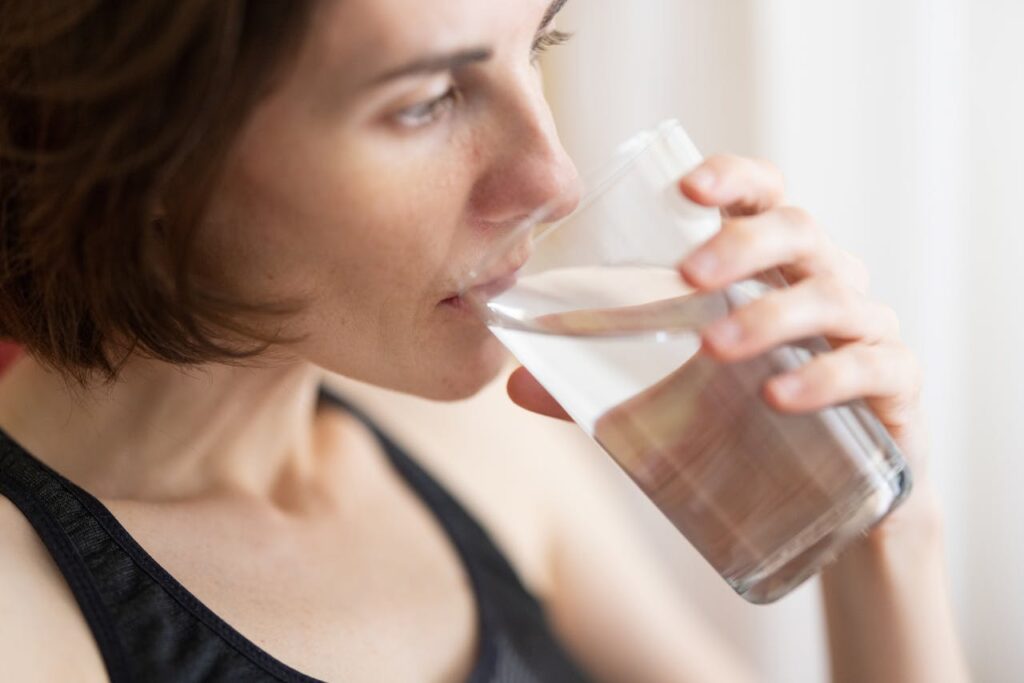
It is easy to reach the middle of the afternoon running on coffee while the water bottle sits untouched on the counter. Hydration is universally acknowledged as important, yet it is rarely prioritized until physical fatigue sets in.
While most people connect drinking water to skin health or energy levels, systemic hydration directly impacts mucosal tissues throughout the body. Research on mucosal hydration consistently supports the fact that internal moisture is necessary for mucous membranes to remain supple and comfortable.
Beyond basic water intake, overall dietary balance and stress levels greatly influence day-to-day intimate comfort. Tuning in to how your body feels on a high-stress day versus a well-rested one is a powerful expression of mindful women’s self-care habits.
The simplest way to build this habit is proximity, so keep a water bottle somewhere visible on your desk or in your bag. No tracking apps are necessary because when the water is within reach, you will automatically drink it.
Over time, this effortless act supports cellular hydration and sustains daily feminine comfort from the inside out.
4. Listen When Your Body Repeats Itself
Occasional discomfort happens, and it usually resolves without intervention or worry. However, when symptoms like persistent dryness, recurring irritation, or physical discomfort during daily activities keep coming back, your body is asking for attention.
Acknowledging these patterns is an empowering step toward long-term health and intimate wellness.
Recurring symptoms often point to underlying causes that are completely addressable once properly identified.
Instead of guessing or waiting for the issue to disappear, bring these repeated patterns to a qualified healthcare provider.
Think of professional guidance as the natural next step in your wellness toolkit and a logical extension of your daily habits.
When speaking with a provider, use clear language about recurring symptoms rather than attempting to self-diagnose.
Providing accurate observational information allows medical professionals to guide you effectively and thoroughly. Taking your body’s signals seriously is a deeply practical and vital form of everyday self-care.

What It Means for You
One of the most important aspects of intimate wellness to understand is that discomfort rarely stems from a single or obvious source.
The causes of vaginal dryness, irritation, or sensitivity are incredibly varied and often overlap. They can range from hormonal shifts during perimenopause to everyday medications like antihistamines, fabric choices, or specific hygiene products.
What applies to one individual may not apply to another, meaning comfort begins with knowing your own baseline.
Because triggers are so diverse, self-diagnosing based on a quick internet search often leads to frustration rather than clarity.
Two people experiencing the same symptom might require entirely different supportive care and medical advice.
Exploring educational resources offers a judgment-free way to learn more about common symptom patterns before your next doctor appointment.
Key Insight: Intimate discomfort varies significantly because triggers like hormones, medication, and lifestyle choices often overlap. Using professional guidance or structured assessment tools provides more clarity than guessing based on generic online searches.
The Bottom Line
Intimate wellness does not need to feel like another demanding project on your schedule. It lives in small and automatic choices like the fabrics in your drawer, the unscented products under the sink, and the water bottle on your desk.
Approach these four habits as a gentle framework rather than a rigid checklist to keep your routine manageable.
These daily habits require no specialized expertise and take almost no extra time out of your busy day.
By staying connected to how your body feels, you naturally build robust women’s self-care habits over time.
Ultimately, daily comfort is not a luxury, but an essential part of your overall well-being that deserves steady attention.