
This post may contain affiliate links. I only recommend products I use and love. Read the full disclosure here
Updated on: June 1, 2025
Originally published on: June 1, 2025
Your ears play a crucial role in your overall health, yet many people neglect them until issues arise. Recognizing early warning signs you should have your ears examined can prevent conditions from worsening and may help maintain your hearing capabilities. With millions of individuals experiencing some form of hearing impairment, being vigilant about your ear health is essential.

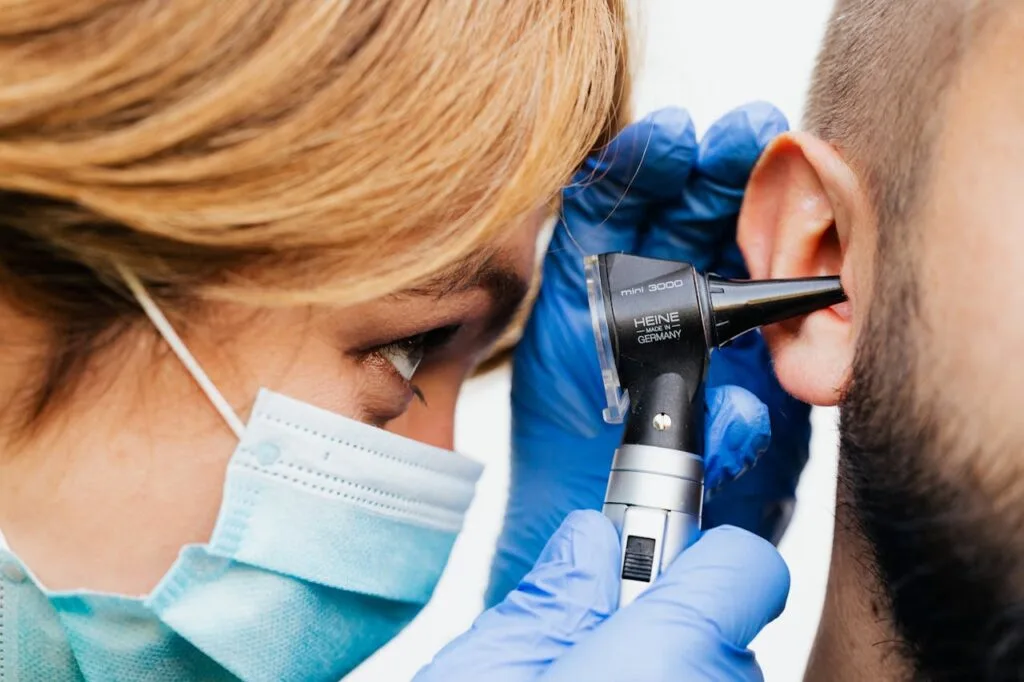
Today, let’s take a look at the nine warning signs that indicate you should seek professional help for your ears. Paying close attention to these signals could lead to better auditory health.
Frequent Ringing or Buzzing Sounds
Tinnitus, characterized by a ringing or buzzing sensation in the ears, affects many people at some point. This condition can range from mild to debilitating, impacting your daily life. It often indicates an underlying issue, such as exposure to loud noise, earwax buildup, or hearing loss. If you’re experiencing persistent tinnitus, it’s vital to consult a healthcare professional to determine the cause and explore possible treatment options. Ignoring this symptom could lead to further complications, including anxiety and sleep disturbances.
Regular visits to specialists who can evaluate your auditory system are recommended if you find yourself troubled by these sounds. Managing tinnitus effectively often requires targeted interventions that can improve your quality of life. Seeking help from experts like those at owlhearing.com can give you insights into effective management strategies. Early intervention can make a significant difference in preventing the condition from worsening over time.
Difficulty Understanding Speech
If you often find yourself struggling to comprehend conversations, particularly in noisy environments, it may signal an issue with your hearing. Many people experience difficulty hearing certain frequencies and may not realize how much it affects their communication. This could lead to social withdrawal, frustration, or misunderstandings with friends or family. Difficulty with speech can arise from various factors, including age-related hearing loss, inner ear infections, or even auditory processing disorders.
If this symptom persists, it’s essential to get an ear examination. Through comprehensive assessments, healthcare providers can identify the root cause of the problem and suggest appropriate solutions. Technological advancements in hearing aids and communication strategies can significantly improve your situation.
Feeling of Fullness or Pressure in the Ears
A feeling of fullness or pressure in the ears can be distressing and is often linked to various conditions like allergies, sinus infections, or Eustachian tube dysfunction. This sensation can hinder your ability to hear clearly and might be accompanied by other symptoms, such as discomfort or partial hearing loss. Ignoring these sensations is unwise, as they could indicate underlying issues requiring immediate attention.
Treatments may range from medications to alleviate pressure to procedures that restore normal function. Paying attention to these symptoms and consulting with a healthcare provider can help alleviate discomfort.
Frequent Ear Infections
Recurrent ear infections are a sign that something is amiss within your auditory system. Both children and adults can suffer from ear infections, and they may lead to severe complications if left untreated. Persistent infections may indicate chronic conditions, such as fluid accumulation or structural problems within the ear. If you find yourself dealing with frequent ear infections, it’s crucial to consult a specialist who can evaluate your situation comprehensively.
Treatment options may include antibiotics, lifestyle adjustments, or even surgical interventions, depending on severity. Taking proactive steps can help protect your hearing and prevent further complications down the road. Managing these infections early can minimize the risk of hearing loss associated with prolonged issues.
Sudden Hearing Loss
Experiencing sudden hearing loss can be alarming, and it often requires immediate medical evaluation. It may occur without warning and can affect one or both ears. Various factors, including trauma, viral infections, or health conditions like Meniere’s disease, can cause sudden hearing loss. Seeking prompt attention from a healthcare professional is essential, as swift intervention can dramatically influence recovery outcomes.
Early diagnosis leads to more effective treatment options and potential restoration of hearing. If you experience sudden changes in your listening ability, don’t hesitate to seek help. Consider consulting an audiologist to explore your situation further.

Withdrawal from Social Activities
Individuals experiencing hearing difficulties often withdraw from social settings due to frustration or embarrassment. If you notice that you are avoiding gatherings or conversations, it could be a warning sign that your hearing health is deteriorating. This withdrawal can lead to isolation and impact overall mental health. Taking steps to address these issues can combat the emotional and social consequences of hearing loss.
Engaging with audiologists can provide crucial support and strategies for re-engagement in social activities. Investing time in preserving your ear health enhances your communication abilities and fosters better relationships. Staying connected with family and friends can greatly improve both your quality of life and mental well-being.
History of Loud Noise Exposure
Individuals with a history of exposure to loud noises, whether from occupational settings or recreational activities like concerts, should monitor their ear health closely. Noise-induced hearing loss can develop gradually and may go unnoticed for years. Recognizing the cumulative effects of loud sounds on auditory health is crucial. Regular hearing tests and evaluations can help detect early signs of damage.
Protecting ears from excessive volume levels is vital; implementing preventive measures can help safeguard hearing ability. If you believe you may have experienced significant auditory strain, a thorough examination can shed light on any damage that may have occurred. Identifying potential issues is the first step toward ensuring long-term ear health.
Ear Discharge or Unusual Odors
Unusual discharge or odors from the ear can indicate infections, skin diseases, or other serious conditions. If you notice a discharge that is yellow or green, especially accompanied by pain or discomfort, seeking professional evaluation is critical. Such symptoms can lead to far worse complications if neglected and may require immediate intervention to prevent significant health issues.
Being aware of any changes in your ears’ appearance or function is essential for protecting your auditory health. A healthcare professional can diagnose the issue and prescribe treatments that address underlying problems effectively.
Increasing Sensitivity to Sounds
An increasing sensitivity to sounds or significant discomfort in noisy environments can indicate auditory processing issues or possible ear problems. If basic noises become overwhelming or painful, it may signal underlying conditions that need to be evaluated. Understanding the dynamics of your hearing sensitivity can lead you to appropriate treatments that can improve comfort and everyday functioning.
Consulting specialists can provide insights into potential therapies or interventions suited to your situation. Addressing these symptoms promptly is essential to prevent the development of further complications.
Awareness of these warning signs can significantly enhance your ear health. Taking proactive measures may be beneficial in reducing the risk of hearing loss and other complications. Regular examinations by qualified professionals will help address problems early, allowing for timely interventions that protect auditory health.