
This post may contain affiliate links. I only recommend products I use and love. Read the full disclosure here
Updated on: October 1, 2025
Originally published on: October 1, 2025
Sports vision training and overall vision clarity play a vital role in sports performance, affecting athletes’ abilities to react quickly, make precise movements, and maintain focus under pressure. In various sports, from basketball to golf, visual acuity significantly influences the outcome of games and the performance of athletes.


The intricate connection between how well an athlete can see and how they execute their skills has been extensively examined, pointing to the importance of specialized training and corrective measures. These strategies not only improve clarity but also strengthen reaction times, making vision a critical part of every athlete’s toolkit for success.
The Importance of Vision in Athletic Performance
Vision is the primary sensory modality for most athletes. It allows them to perceive spatial relationships, gauge distances, and assess the speed of moving objects. In fast-paced sports, a split-second misjudgment can mean the difference between victory and defeat.
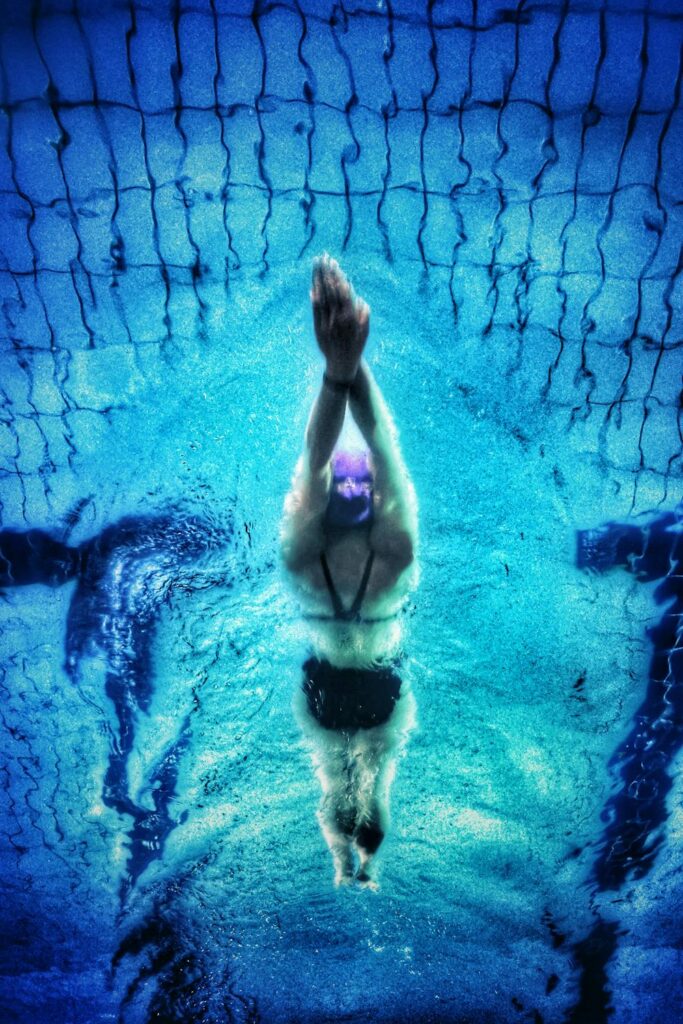
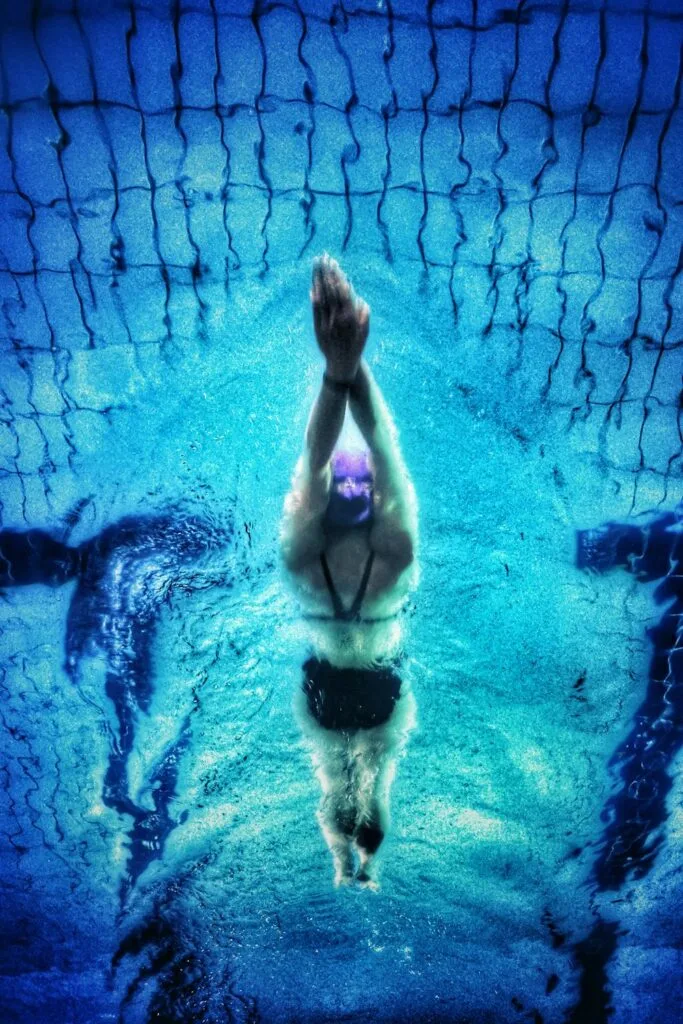
For example, soccer players need to judge the distance of a pass or the trajectory of a ball flying toward them, while swimmers must monitor their position relative to the lane boundaries. Athletes with compromised vision could struggle with these tasks, leading to mistakes that undermine their performance.
Poor vision can affect an athlete’s confidence and mental state. If an individual is aware that their vision is not at its peak, they might hesitate during critical moments of competition. Enhanced focus and clarity enhance decision-making, ultimately leading to improved performance.
Incorporating vision training exercises, along with regular eye check-ups, is vital for athletes to ensure they maintain optimal visual health and acuity. Using prescription goggles can correct refractive errors, thus improving clarity further. Understanding the role of vision in sports provides a framework for athletes and coaches to improve performance and implement strategies to mitigate vision-related issues.
Advances in sports science have introduced specialized tools, such as strobe glasses and digital tracking systems, that train athletes to react faster and sharpen visual processing. Depth perception drills, contrast sensitivity tests, and peripheral awareness exercises are increasingly used to enhance vision-specific skills.
Athletes can obtain a competitive advantage beyond physical conditioning by incorporating these strategies into their training regimens. Coaches are recognizing that vision care is not just corrective but developmental, meaning athletes can actively train their visual abilities.
Common Visual Problems in Athletes
Visual problems among athletes can manifest in several ways, including refractive errors such as myopia (nearsightedness), hyperopia (farsightedness), and astigmatism. Each of these conditions affects how clearly an athlete can see both near and far objects, impacting their ability to compete effectively.
In addition to refractive issues, athletes may experience problems with depth perception, color vision, or visual processing speed. Depth perception is vital for athletes engaged in activities that involve catching or hitting a ball. If depth perception is off, a player may misjudge the height or trajectory of the object, leading to mistakes.
Similarly, color vision plays a critical role in distinguishing between team jerseys or identifying a basketball among players. Athletes may avoid certain situations or misunderstand critical signals if their color vision is compromised.
Regular eye exams should be a fundamental part of an athlete’s training routine. Learning to treat and adapt to any visual impairments through corrective lenses or specialized training can help athletes maintain their competitive edge. Recognizing and addressing common visual problems contributes substantially to enhanced sports performance.
Vision Training: A Key to Better Performance
Completing a routine exercise regimen is important for athletes, and similarly, vision training should be incorporated. Vision training comprises various exercises aimed at improving visual skills critical to sports performance. Such exercises target eye coordination, tracking, focusing, and peripheral awareness to refine visual function.
Convergence exercises enhance binocular vision, important in sports where tracking a fast-moving object is vital. Training can include focusing on near and far objects to improve dynamic visual acuity, aiding performance in sports like baseball or football, where quick visual shifts occur.
Reaction time can improve through drills designed to challenge visual processing speed, ensuring athletes can respond effectively to fast-paced changes in their environment.
Many athletes benefit from incorporating technology-based vision training applications into their routines, which provide instant feedback and personalized workouts. Research suggests that athletes who engage in vision training experience improved performance metrics, ultimately enjoying better outcomes in competitions.
Corrective Measures for Optimal Vision
When addressing visual impairments, corrective measures become indispensable. Traditional corrective eyewear can sometimes hinder performance due to discomfort or restrictions during physical activity. Specialized sports eyewear designed for athletes is critical to ensure both effectiveness and comfort.
Innovative products like contact lenses formulated for athletics can offer several advantages, including a wider field of vision, reduced distortion, and less risk of damage. Specialized sunglasses protect against glare and enhance contrast during outdoor sports, aiding visual clarity.
Using updated goggles tailored to specific sports can maximize clarity and prevent injury while competing. Athletes should consult with professionals who specialize in sports vision to determine the most appropriate corrective options. In optimizing visual health through cutting-edge solutions, athletes can foster superior performance and elevate their game.
The Psychological Aspects of Vision Clarity
The connection between vision clarity and sports performance extends into the psychological realm. Visual acuity impacts an athlete’s confidence, focus, and decision-making abilities. When athletes are uncertain about their visual capabilities, it can lead to anxiety, hesitation, and second-guessing during important moments in competition. These emotional distractions can diminish their performance outcomes.
Maintaining a positive mindset significantly contributes to an athlete’s success. Studies indicate that athletes who experience fewer visual uncertainties tend to exhibit better mental resilience during high-stress situations. They can react calmly and quickly, relying on their refined visual skills to guide their actions. A trained mindset combined with sharp vision can lead to peak athletic performance.
Athletes can improve their psychological resilience by incorporating visualization techniques in their training routines. Imagining themselves performing successfully can help solidify their confidence, creating a mental representation of victory that aligns with their improved visual skills. This multifaceted approach fosters increased focus and commitment to training, ensuring optimal performance when it matters most.


Addressing the intricate connection between clarity of vision and sports performance deepens our understanding of athletic excellence. The challenges athletes face due to visual impairments are multifaceted and require a comprehensive approach to accommodate their specific needs for improved performance.
Regular assessments, vision training, and personalized corrective measures lead to enhanced visual capabilities, shaping confident and successful athletes ready to reach their peak performance.