Updated on: November 5, 2026
Originally published on: November 5, 2026
Smart bathroom upgrades can make mornings smoother, cleaning easier, and your space more comfortable. But a remodel that looks simple on paper can still lead to unexpected costs or choices you regret later. Before picking tile and faucets, think about what your family needs, which materials will hold up, and where your budget will make the biggest difference.
Start With Function Before You Pick Finishes
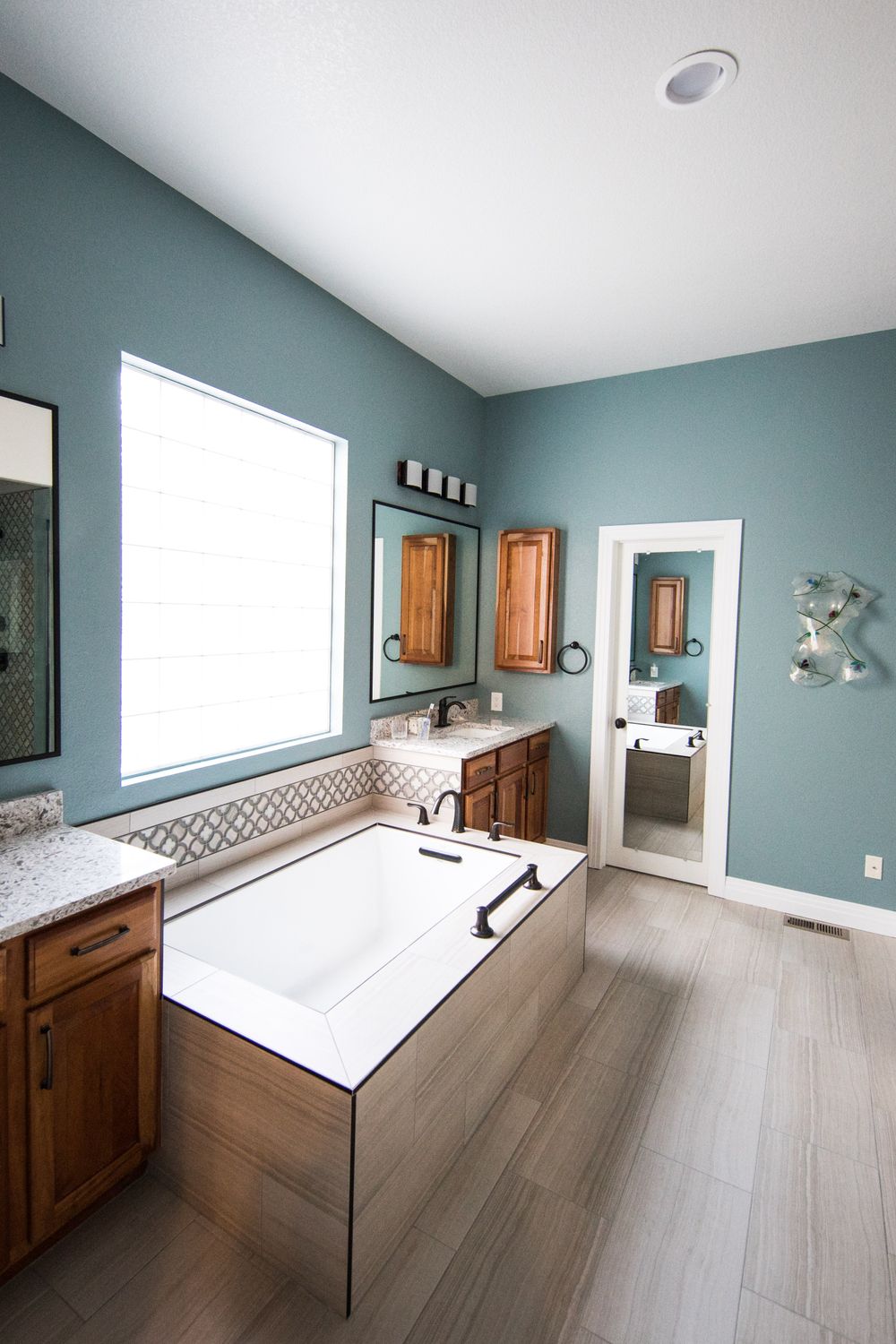
When you define those pain points first, every later decision gets easier. A remodel should improve circulation, storage ergonomics, ventilation, and maintenance demands. If your vanity drawers barely open because of the door swing, that’s a design problem. If grout always looks dirty, that’s a material problem.
You’re not just buying a prettier room. You’re redesigning a high-humidity workspace that gets used half-awake, in a rush, and every single day.
The Best Bathroom Layouts Feel Bigger Without Adding Square Footage
A lot of homeowners assume they need expansion to make a bathroom feel better. Usually, you can get major gains from layout optimization alone. Swapping a bulky vanity for a floating model, widening a shower opening, or replacing a framed enclosure with cleaner glass lines can shift the whole room visually.
Sightlines matter more than people expect. When you walk in and immediately see clutter, visual weight, or awkward fixture placement, the room feels tighter. Reworking the placement of storage niches, towel bars, and lighting can improve function without moving every plumbing line.
If you’re comparing remodeling providers, pay attention to whether they talk about workflow and daily use, not only appearance. Companies like Bath Planet Local focus on bath and shower solutions that often solve practical layout and usability problems at the same time.
Materials Need to Survive Steam, Scrubbing, and Hard Water
Bathrooms age fast when materials are chosen for looks alone. That polished stone aesthetic may seem high-end, but if it stains easily or needs constant sealing, you’ll feel the downside within months. Durable low-maintenance surfaces continue to win because they reduce labor and preserve appearance longer.
Acrylic bath and shower systems remain popular for a reason. They resist mold better than many porous surfaces, clean up faster, and avoid the grout-heavy maintenance cycle that frustrates so many homeowners. Quartz counters still perform well for vanities, especially where cosmetics, moisture, and heat all show up daily.
You should also think about your local water conditions. Hard water buildup can wreck the look of some fixtures and glass surfaces. A finish that hides spotting and handles frequent cleaning often beats a trendier option that photographs well but ages poorly.
Accessibility Features No Longer Look Clinical
One of the biggest shifts in bathroom design is how accessibility has become mainstream. You no longer have to choose between a room that feels stylish and one that supports long-term mobility. Curbless showers, wider entries, slip-resistant flooring, handheld shower heads, and strategically placed grab bars are now being integrated in much subtler ways.
This matters even if you’re young and healthy. Bathrooms are one of the most accident-prone spaces in a home, especially with water on smooth surfaces. Planning for safer movement is just smart design. It also expands usability for guests, parents, and anyone recovering from surgery or injury.
If you plan to stay in your home for years, future-ready upgrades have real value. Aging-in-place design is no longer niche. It’s a practical framework for reducing renovation costs later while keeping the room comfortable and visually current now.
Ventilation and Lighting Deserve More Attention Than They Get
Many bathroom remodels still underperform because the air management and lighting plan were treated as side details. A beautiful shower means less if humidity hangs around long enough to encourage mildew. A premium mirror setup won’t help much if your face is always in shadow.
Ventilation should match the room’s size and moisture load. A fan that’s too weak leaves condensation behind. A louder unit that nobody wants to run creates the same problem. Better systems now offer stronger airflow with less noise, which changes how consistently they get used.
Proper installation matters just as much as fan size. The EPA’s guidance on ventilation during remodeling recommends venting bathroom exhaust directly outdoors rather than into an attic or another indoor space.
Lighting works best in layers. Overhead lighting alone tends to flatten the room and create unhelpful shadows. You want task lighting near the mirror, ambient lighting for overall clarity, and possibly accent lighting for nighttime use. Small electrical choices can have an outsized impact on how the room feels at 6:30 a.m.
Budgeting Smart Means Knowing Where Corners Backfire
Bathroom remodel budgets get blown in predictable ways. Hidden water damage, outdated plumbing, and scope creep are common issues, but weak planning is usually the root problem. If you go in without ranking your must-haves, nice-to-haves, and hard limits, the spending gets emotional fast.
The most expensive-looking upgrade isn’t always the one worth prioritizing. A better shower system, easier-clean wall surround, or stronger storage plan may improve daily use more than imported tile or designer hardware. Labor intensity matters too. Some choices seem affordable until installation complexity changes the math.
Smaller fixture changes can help with ongoing costs, too. WaterSense-labeled showerheads meet EPA criteria for water efficiency and performance, helping reduce water use and the energy needed to heat it.
You should also ask which features lower future maintenance costs. A bathroom that resists leaks, staining, and mold growth protects more than your comfort. It can reduce repair risk over time. Good remodeling decisions aren’t only about the upfront invoice. They shape what you’ll keep paying in effort, cleaning, and replacements.
A Good Remodel Should Still Make Sense Five Years From Now
Trend cycles move quickly, especially on social media, but bathrooms are not short-term design experiments. If you’re remodeling now, the goal is to create a room that still feels functional and appealing after years of regular use. That usually means balancing personality with restraint.
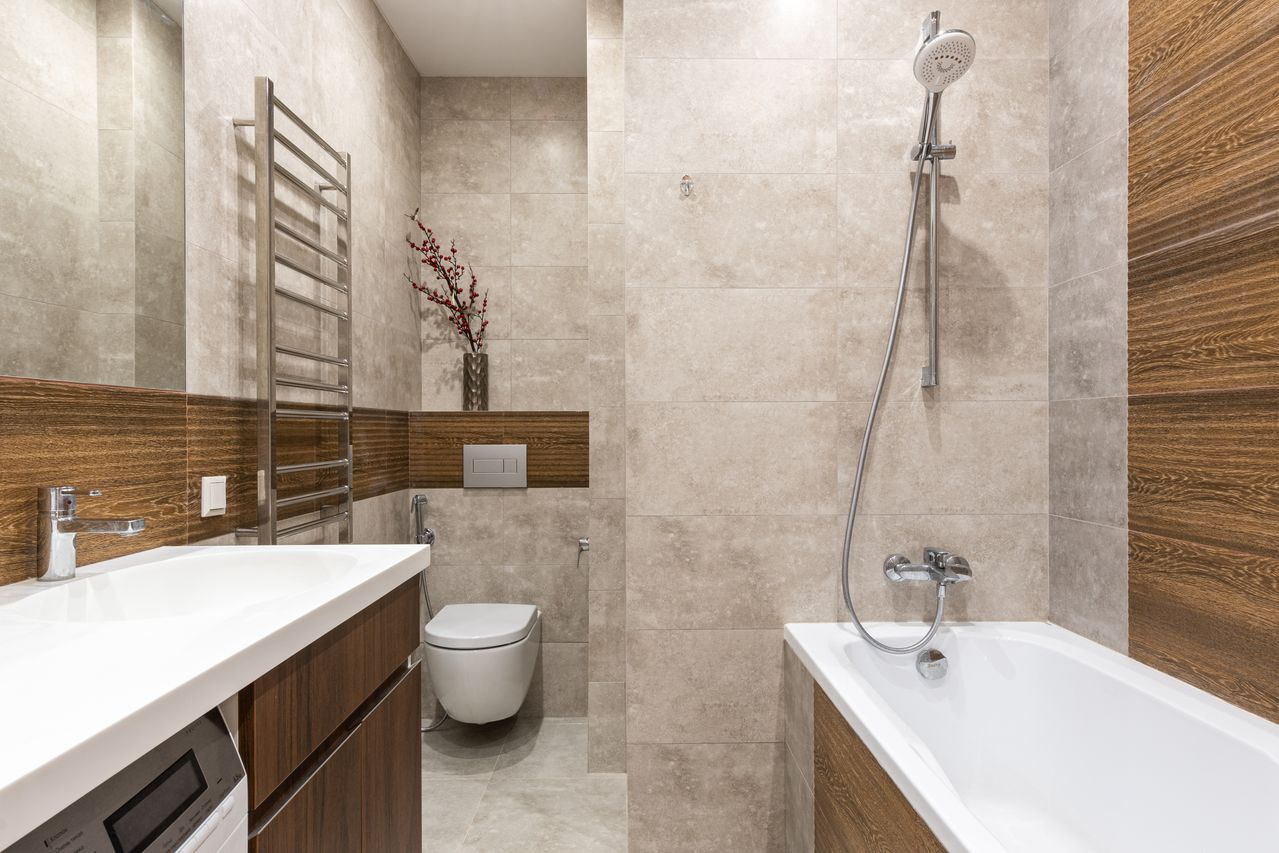
You can bring in current style through mirrors, hardware, wall color, and lighting while keeping the major surfaces more timeless. Clean lines, practical storage, easy-entry showers, and resilient materials have staying power because they solve real problems. Those decisions age better than gimmicks.
The best bathroom remodels are rooted in daily life. They make mornings smoother, cleaning easier, and movement safer. If your plan can do those things while still looking sharp, you’re not just upgrading a room. You’re improving one of the most frequently used spaces in your home in a way you’ll keep noticing for the right reasons.