
This post may contain affiliate links. I only recommend products I use and love. Read the full disclosure here
Updated on: September 11, 2025
Originally published on: September 11, 2025
Family dental care tips can make a huge difference in keeping everyone’s teeth healthy and strong. We all know that maintaining good dental health is key to well-being. A healthy smile boosts confidence and our health.
Yet, establishing and maintaining effective dental care habits can be a bit challenging for families with children. The good news is that simple tips can make dental hygiene a fun and engaging routine for everyone. Read on to outline practices to achieve healthy smiles across your family, emphasizing the importance of regular dental visits, proper techniques, and dental nutrition.

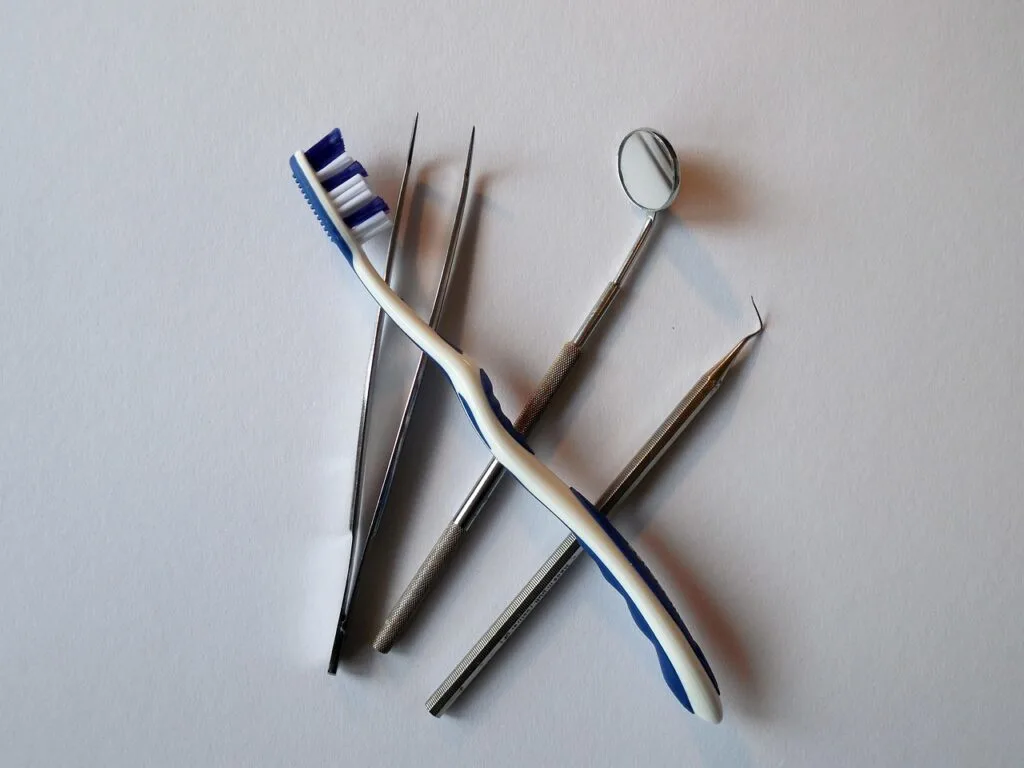
Establish Regular Dental Check-Ups
The cornerstone of good dental health is routine check-ups. Find reliable local dentists like Autumn Family Dentistry and make regular appointments to detect problems on time. Pediatricians recommend a child’s first dental visit by the age of one. Early visits allow children to become familiar with the dental environment and reduce anxiety as they grow. Adults should get check-ups at least once or twice a year, depending on their oral health.
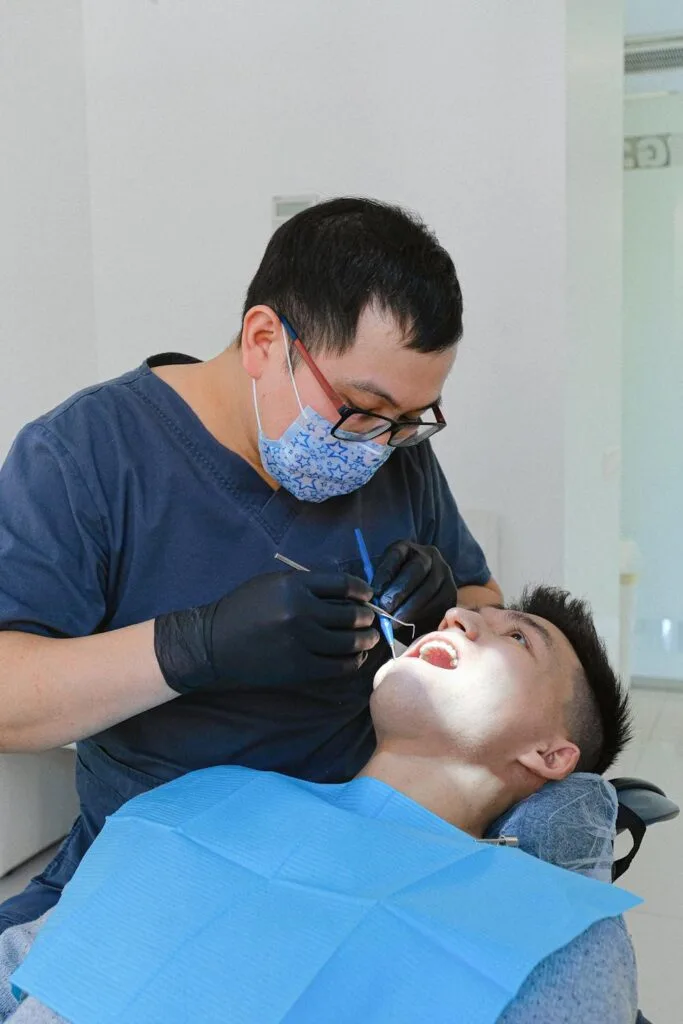
During these check-ups, a dentist can perform a thorough cleaning and screening for cavities and gum disease. Professional cleaning removes plaque and tartar that home brushing might miss. Early diagnoses of any irregularities can minimize treatment costs later on. Encourage family members to prioritize dental visits as part of a healthy lifestyle, reinforcing that prevention is far superior to treatment.
Teach Proper Brushing Techniques
Teaching children the correct way to brush is the most important lesson in dental care. Parents can use a small, soft-bristle toothbrush suitable for their child’s age. To guarantee that children brush all areas of their mouths, guide them to use gentle, circular motions. Parents should emphasize brushing for two full minutes, covering all tooth surfaces.
Use a toothpaste containing fluoride to strengthen enamel and prevent cavities. For little ones, a pea-sized amount is sufficient. Make brushing fun: you can use apps or music to time their brushing. Setting an excellent example with your own brushing routine reinforces these lessons for children to maintain oral hygiene.
Don’t Neglect Flossing
Never forget to floss after brushing. Flossing removes food particles and plaque from between teeth that your toothbrush cannot reach. Regular flossing prevents gum disease and cavities in children and adults with tighter spaces between their teeth. Parents should start flossing their children’s teeth as soon as they have two teeth that touch. Use a gentle back-and-forth motion with the floss, curving it around each tooth.
It may take some practice, so be patient while your child learns the technique. Families can incorporate flossing into the routine by making it a group activity after meals or before bedtime. These actions promote good habits and teach teamwork and interest in personal hygiene.
Healthy Snacks for Strong Teeth
Food choices can heavily impact the development of teeth among young children. Provide nutritious snacks. Foods high in sugar can lead to tooth decay. Instead, consider offering fruits, vegetables, nuts, and dairy products that naturally fight cavities. Crunchy fruits and vegetables clean teeth as you chew and stimulate the gums.
Yogurt and cheese are excellent sources of calcium, which strengthens teeth. Sugary snacks should be limited. If children consume sugary treats, encourage them to brush their teeth afterward to minimize cavity formation. Teaching kids the link between nutrition and dental health empowers them to make better dietary choices in the long run.
Hydration and Its Impact on Oral Health
Water is necessary for the production of saliva, which helps wash away food particles and neutralizes acids produced by bacteria in the mouth. Make water the drink of choice for your family. Sugary drinks, such as soda and fruit juices, contribute to tooth decay. By limiting these beverages, you decrease the risk of cavities and encourage a lifestyle that glorifies hydration.
Keep a family water bottle or track daily water intake together. Adding slices of fruit to water can make it more appealing for children. With healthier hydration habits, families support health and well-being while cultivating a beautiful smile.
The Importance of Mouthguards
For families involved in sports or physical activities, the use of mouthguards is strongly encouraged. Mouthguards protect teeth from damage due to impact during basketball, soccer, or wrestling. Custom-fitted mouthguards provide the best protection as they conform to the individual’s mouth shape and offer maximum comfort during physical activities.
Children suffering from teeth grinding during sleep can take advantage of mouthguards. A dental professional can provide guidance regarding the best mouthguard options and when to use them. Educating your family about the benefits of protection safeguards teeth and emphasizes the importance of caring for dental health through preventive measures.
Lead by Example
Children mirror their parents’ behavior, and dental care is no exception. When kids observe their parents brushing, flossing, and attending regular dental visits, they will follow suit. Parents should demonstrate proper brushing and flossing techniques in front of their children, highlighting the importance of thoroughness and consistency. Making dental care a family activity reinforces its significance and creates bonding moments. Sharing personal experiences can help children feel less anxious about their own visits.
Parents who make healthy dietary choices and prioritize water over sugary drinks set powerful examples. By practicing what they preach, parents instill lifelong habits in their children. Being a role model transforms dental care from a set of instructions into a family lifestyle and creates a place where oral health is valued and celebrated by everyone.
Regularly Review Oral Health Habits
Creating a family culture of dental health involves consistently reviewing and reinforcing oral hygiene habits. Scheduling regular family meetings or setting reminders can promote accountability among family members. During these discussions, families can share successes or challenges they encounter in maintaining dental health practices.
Incorporate a tracking system for brushing and flossing. Use charts or apps to celebrate regular accomplishments and encourage friendly competition among siblings. These methods instill the significance of good oral habits in children and integrate family involvement. Establishing open communication about dental health cultivates a supportive environment where everyone is committed to a healthy lifestyle.

By understanding and implementing these family dental care tips, everyone can enjoy stronger, healthier smiles. Making oral health a collective family effort can cultivate positive habits that last a lifetime. Prioritizing dental care involves adopting a holistic approach to overall well-being, which encompasses regular visits, a balanced diet, and effective hygiene routines.