
This post may contain affiliate links. I only recommend products I use and love. Read the full disclosure here
Updated on: January 16, 2026
Originally published on: January 16, 2026
Menopause, a natural biological process marking the end of a woman’s reproductive years, is often discussed in vague or incomplete ways. Many women experience menopause symptoms that women aren’t told about, leaving them confused, unprepared, or unsure of what’s actually normal.
This article takes a closer look at menopause by breaking down the lesser-known physical and emotional changes that can show up during this transition, helping women feel more informed, validated, and supported.


The Loss of Vaginal Moisture
Loss of vaginal moisture is a common concern that many women experience during menopause. The decline in estrogen levels can lead to vaginal dryness, itching, and discomfort, impacting sexual health and overall well-being. This decrease in lubrication can result in pain during intercourse and an increased susceptibility to vaginal infections.
Addressing this issue is crucial for maintaining comfort and intimacy. Various treatment options exist, including over-the-counter lubricants, MENO vaginal moisture capsules, and hormone therapy prescribed by healthcare providers.
Additionally, incorporating adequate hydration, a balanced diet, and healthy lifestyle practices can help support vaginal health. By recognizing the challenges posed by vaginal dryness and taking proactive steps to manage it, women can enhance their quality of life and enjoy a more comfortable and fulfilling menopausal journey.
Hormonal Changes
Menopause is synonymous with hormonal upheavals that can trigger a domino effect of physical and emotional changes. Estrogen levels decline, disrupting the body’s delicate hormonal balance and giving rise to a myriad of symptoms.
Insomnia, mood swings, and irregular periods are key manifestations of this hormonal rollercoaster. Women must navigate this phase with self-awareness and seek informed guidance to manage these changes effectively.
Weight Gain, Hair Loss, and Everything in Between
As women transition through menopause, changes extend beyond the internal realm to external shifts in physical appearance. Weight gain, particularly around the abdomen, often becomes a frustrating reality for many.
Concurrently, hair loss and changes in skin texture can further compound feelings of distress during this period. Acknowledging and accepting these changes while implementing healthy lifestyle habits can help manage them effectively.
Mood Swings
Menopause is a phase riddled with emotional turbulence that can catch many women off guard. Hormonal fluctuations during menopause can trigger mood swings, irritability, anxiety, and even bouts of depression.
Coping with these emotional fluctuations requires a combination of self-awareness, healthy coping mechanisms, and, in some cases, professional support. Recognizing the emotional rollercoaster as a normal part of the menopausal experience can empower women to navigate it with greater understanding and resilience.
The Myth of Libido
Contrary to common assumptions, menopause doesn’t signify the end of sexual desire or intimacy. However, changes in hormonal levels can impact libido, vaginal dryness, and overall sexual satisfaction for some women.
Communicating openly with partners about these changes, exploring different forms of intimacy, and seeking medical advice when necessary can help women maintain a fulfilling and satisfying sex life during and post-menopause. Dispelling the myth that menopause spells doom for sexual wellness is essential in promoting healthy and fulfilling relationships.
Menopause and Bone Health
One often-overlooked aspect of menopause is its impact on bone health. Estrogen plays a crucial role in maintaining bone density, and the decline in estrogen levels during menopause can lead to an increased risk of osteoporosis and fractures.
Understanding the significance of bone health during this phase is crucial. It prompts women to adopt lifestyle changes, such as weight-bearing exercises, a calcium-rich diet, and, in certain instances, medication to strengthen bones and mitigate the risks associated with osteoporosis.

Empowerment and Self-Care
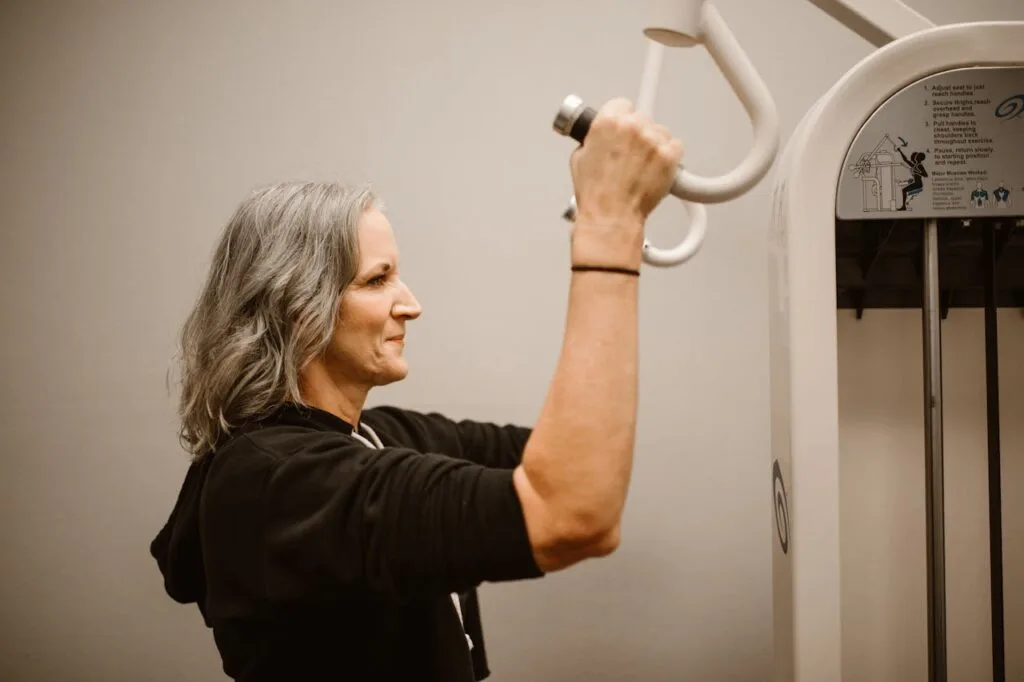
Conquering menopause isn’t just about managing physical and emotional symptoms — it’s also an opportunity for self-care and empowerment. Prioritizing self-care practices, such as mindfulness, regular exercise, adequate rest, and a balanced diet, can significantly alleviate the challenges posed by menopause.
Additionally, seeking guidance from healthcare professionals and participating in support groups can be instrumental. Engaging in open discussions with peers can empower women to navigate this transformative phase with resilience and grace.
Embracing Resilience and Self-Empowerment
Menopause is a multifaceted journey that extends beyond the cessation of menstrual periods. By shedding light on the unspoken truths of menopause, including its impact on emotional well-being, sexual health, and bone strength, this article aims to provide women with a comprehensive understanding of this natural transition.
By fostering a culture of openness, education, and self-care, women can navigate menopause with newfound confidence and empowerment, embracing this transformative phase as an opportunity for growth and self-discovery. Remember, you are not alone in this journey. With knowledge and self-awareness, you can thrive through menopause with resilience and a newfound zest for life.